"Warm UP" Winter School, Day Two: Striving for Doctoral Excellence—Experiences from UP and the University of Luxembourg and opportunities within the Horizon Europe MSCA scheme
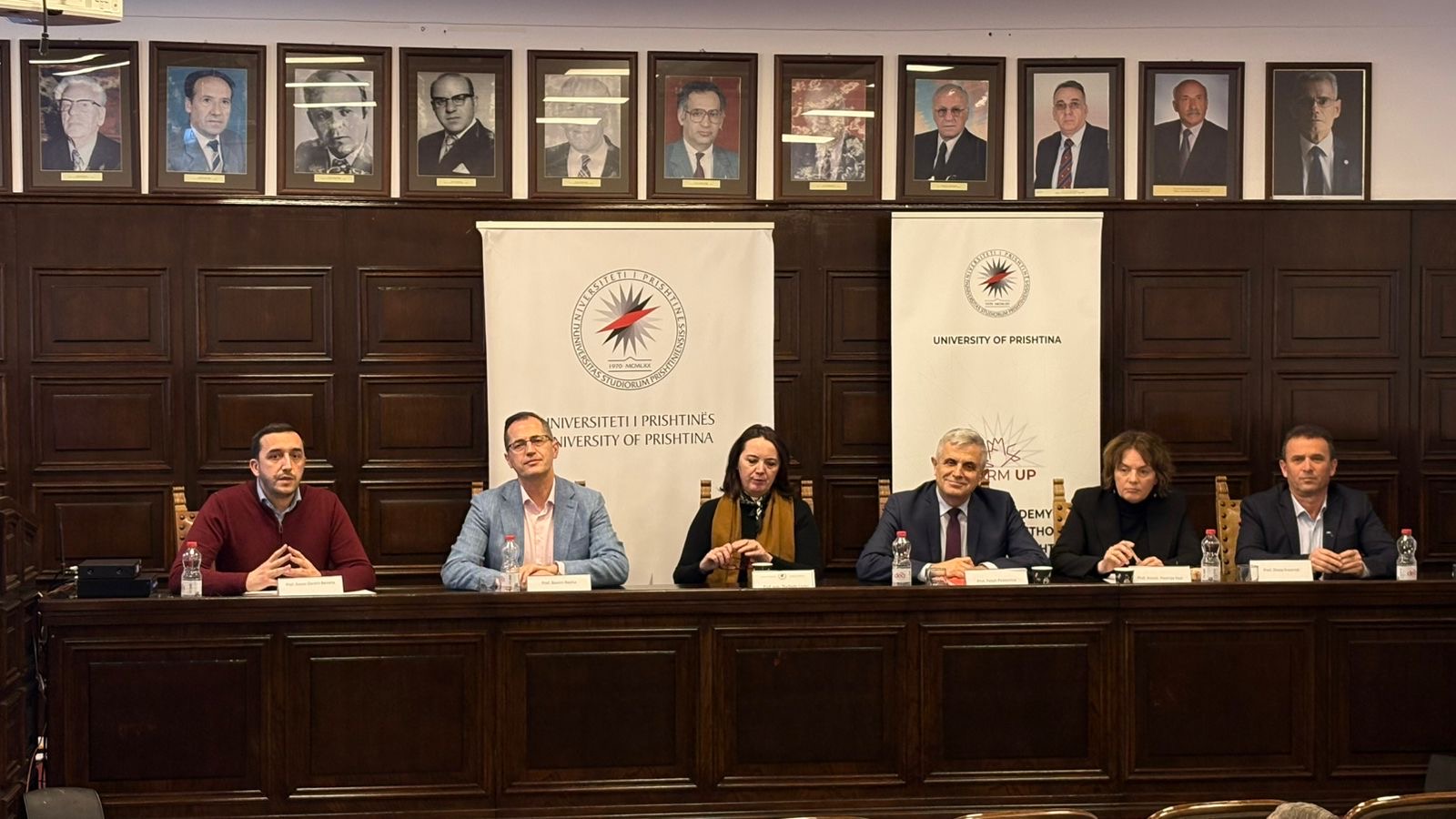
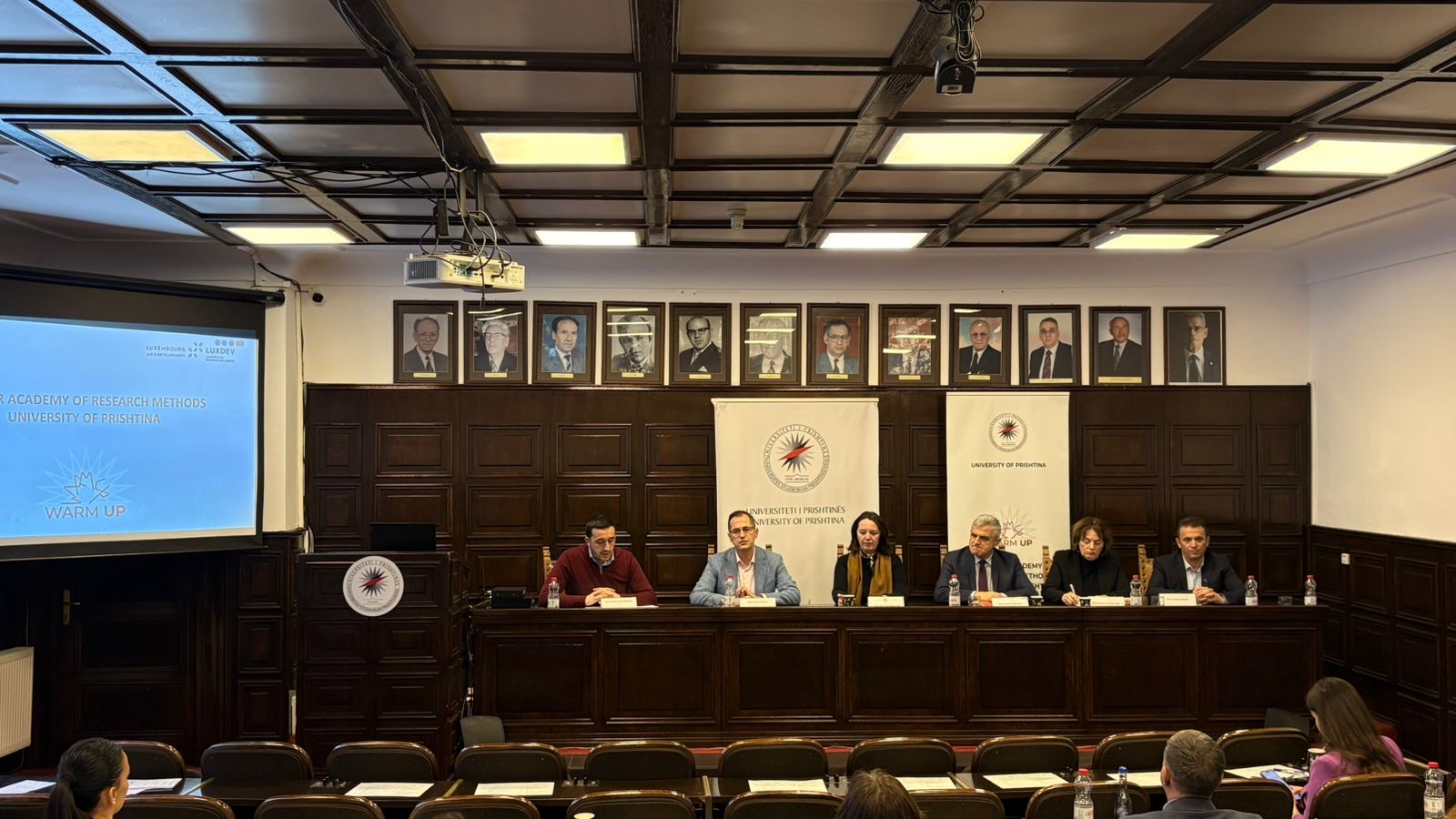
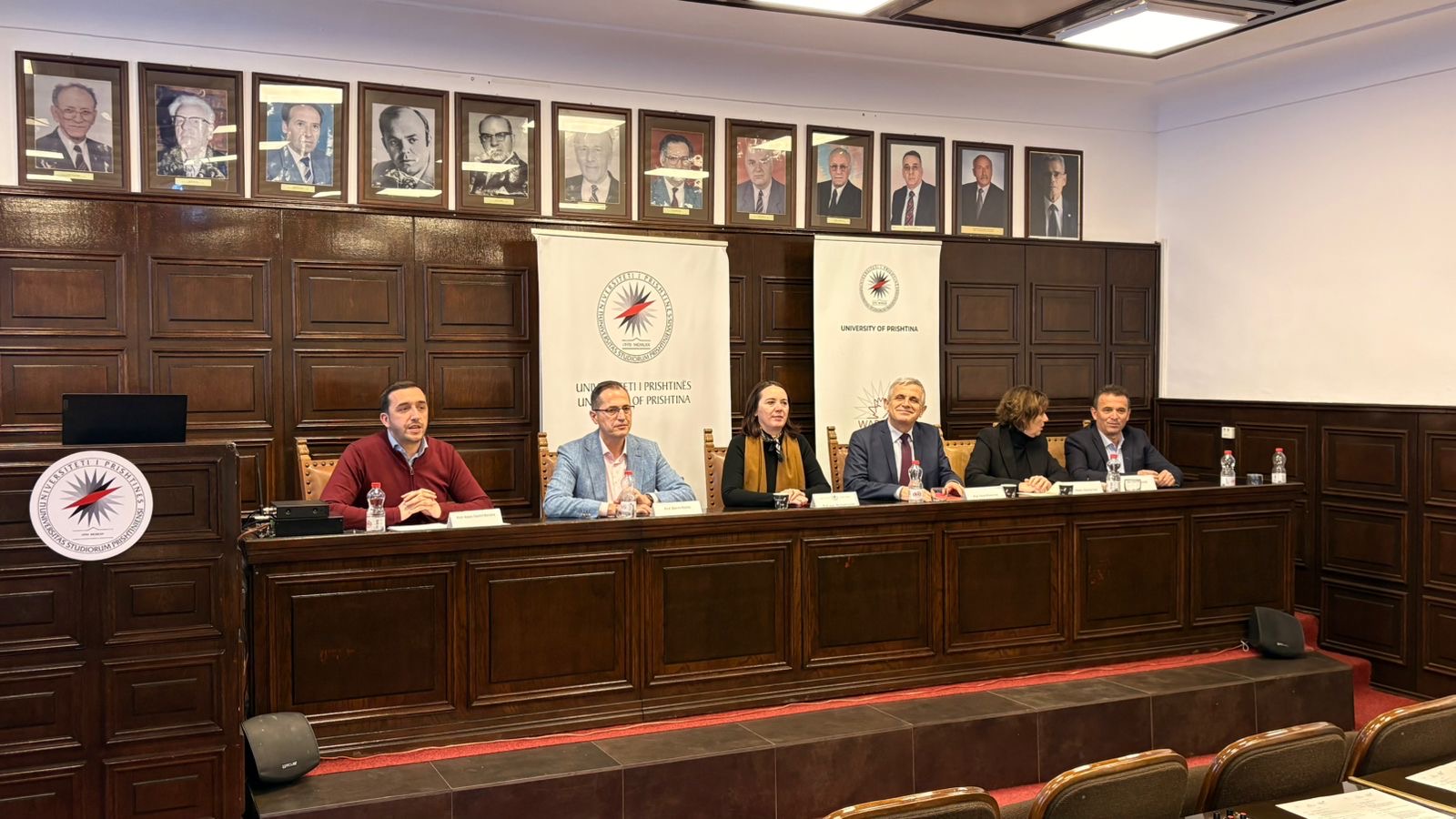
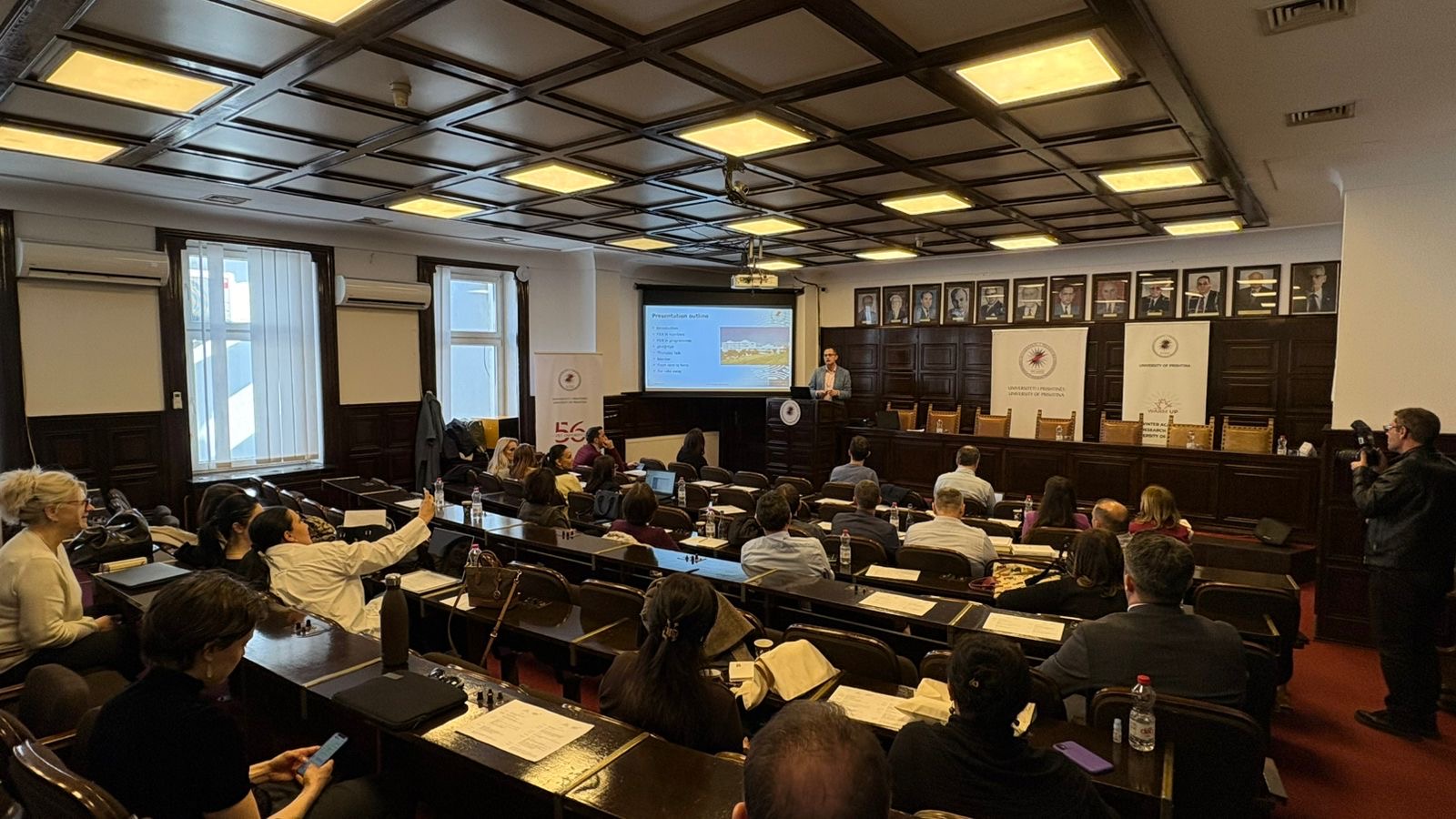
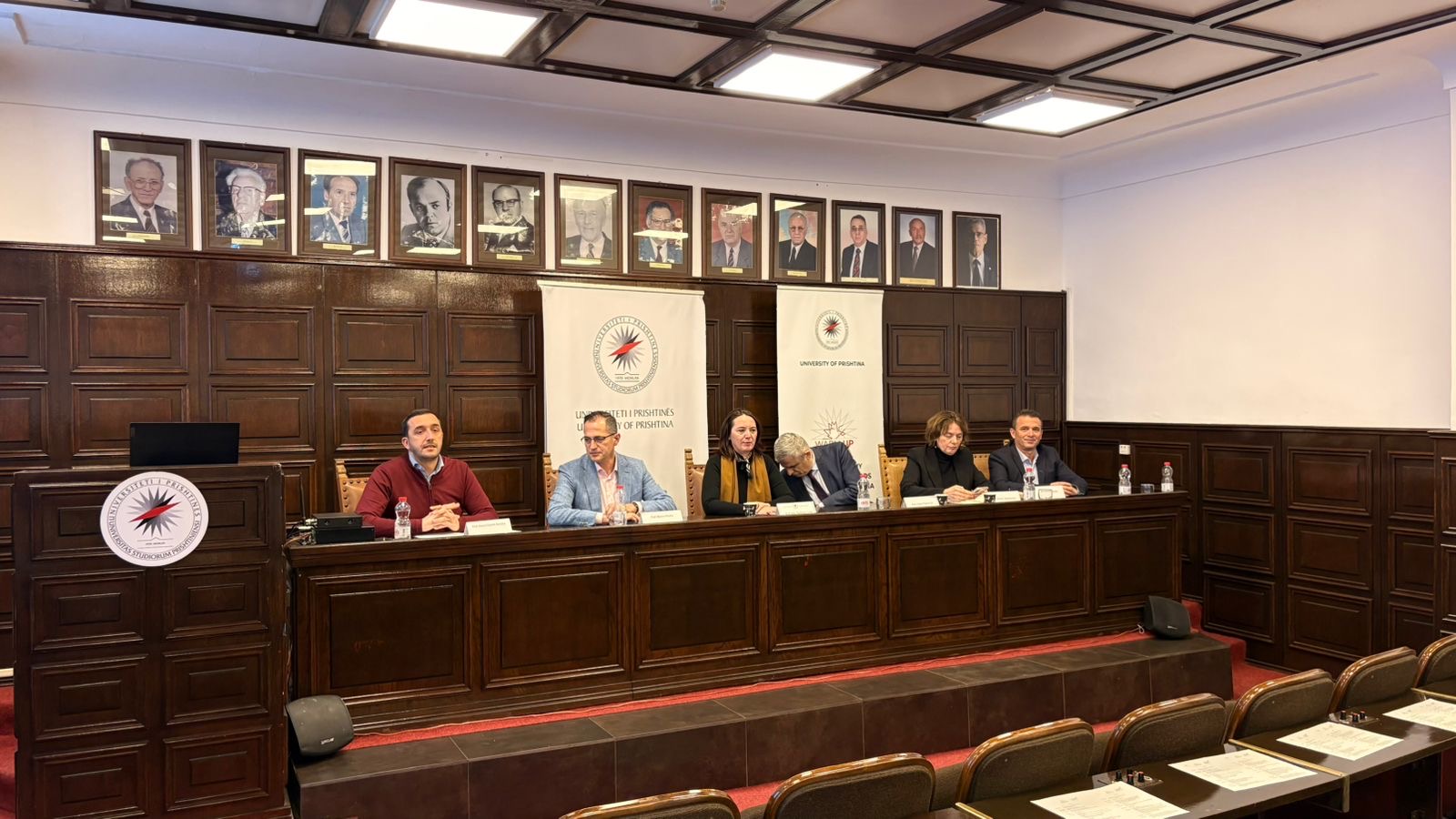
On the second day of the “Warm UP” Winter School, participants learned about successful doctoral programmes at the University of Prishtina, how these programmes work at the University of Luxembourg, and opportunities within the Marie Skłodowska-Curie Actions doctoral network.
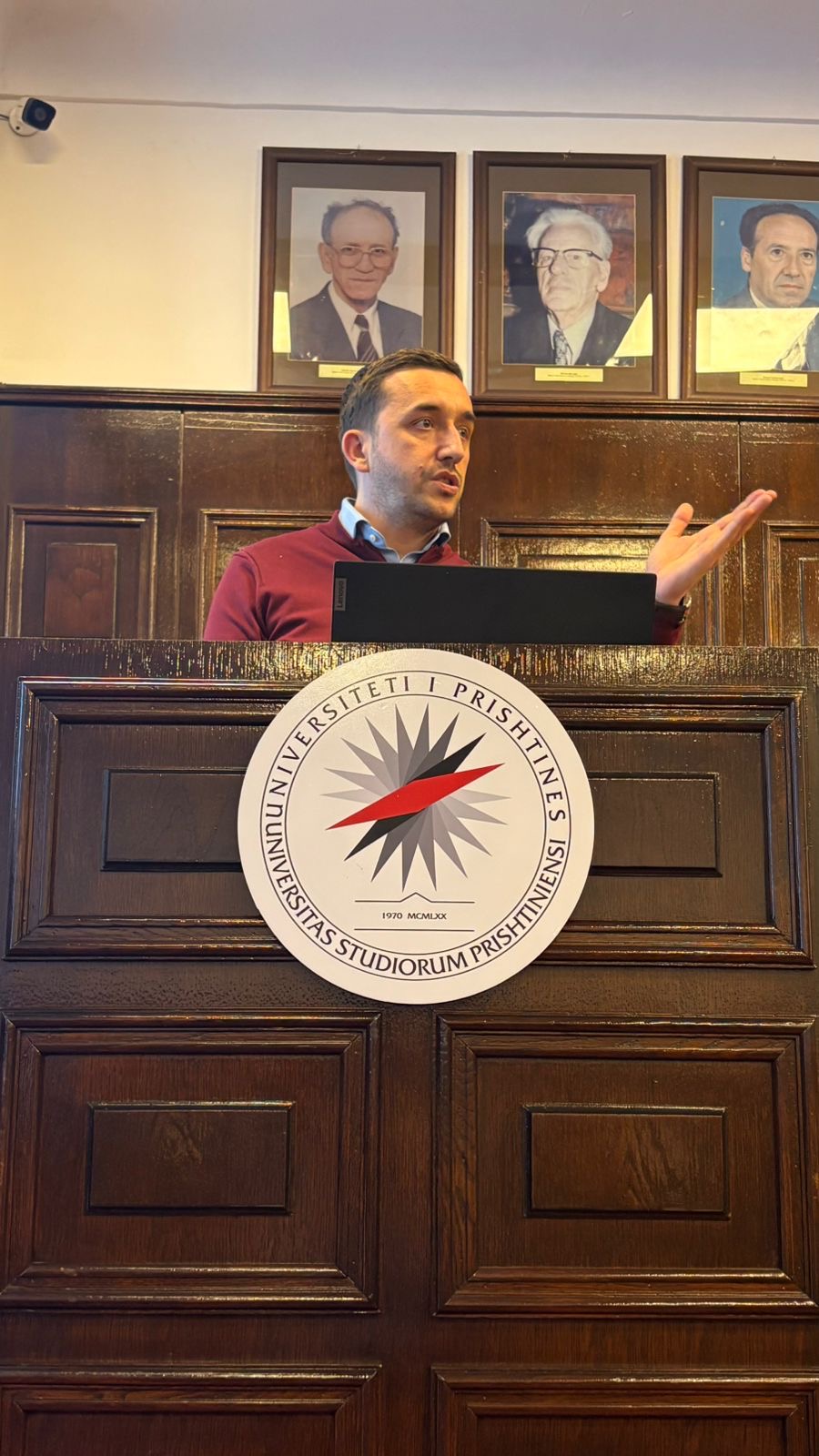
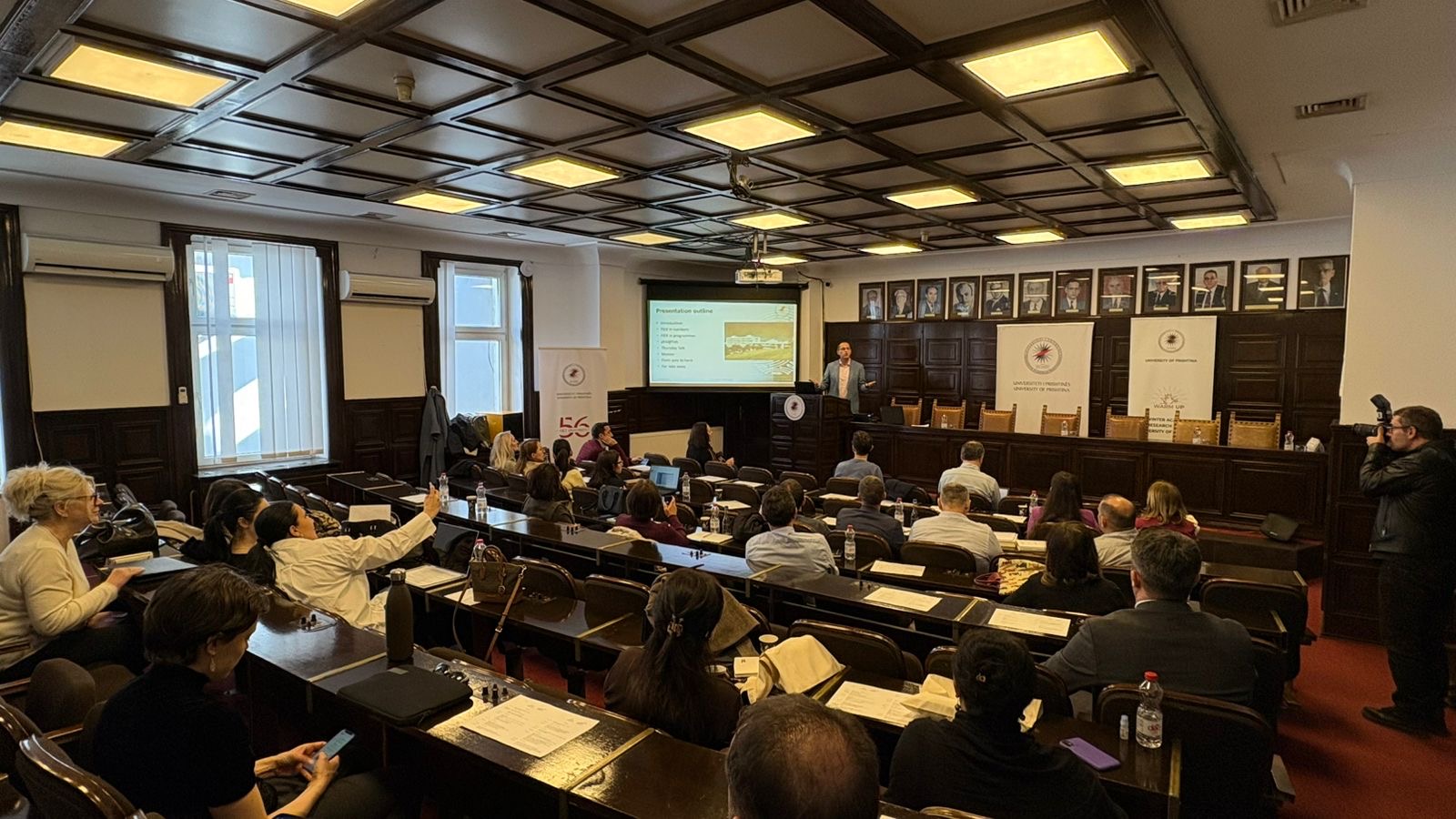
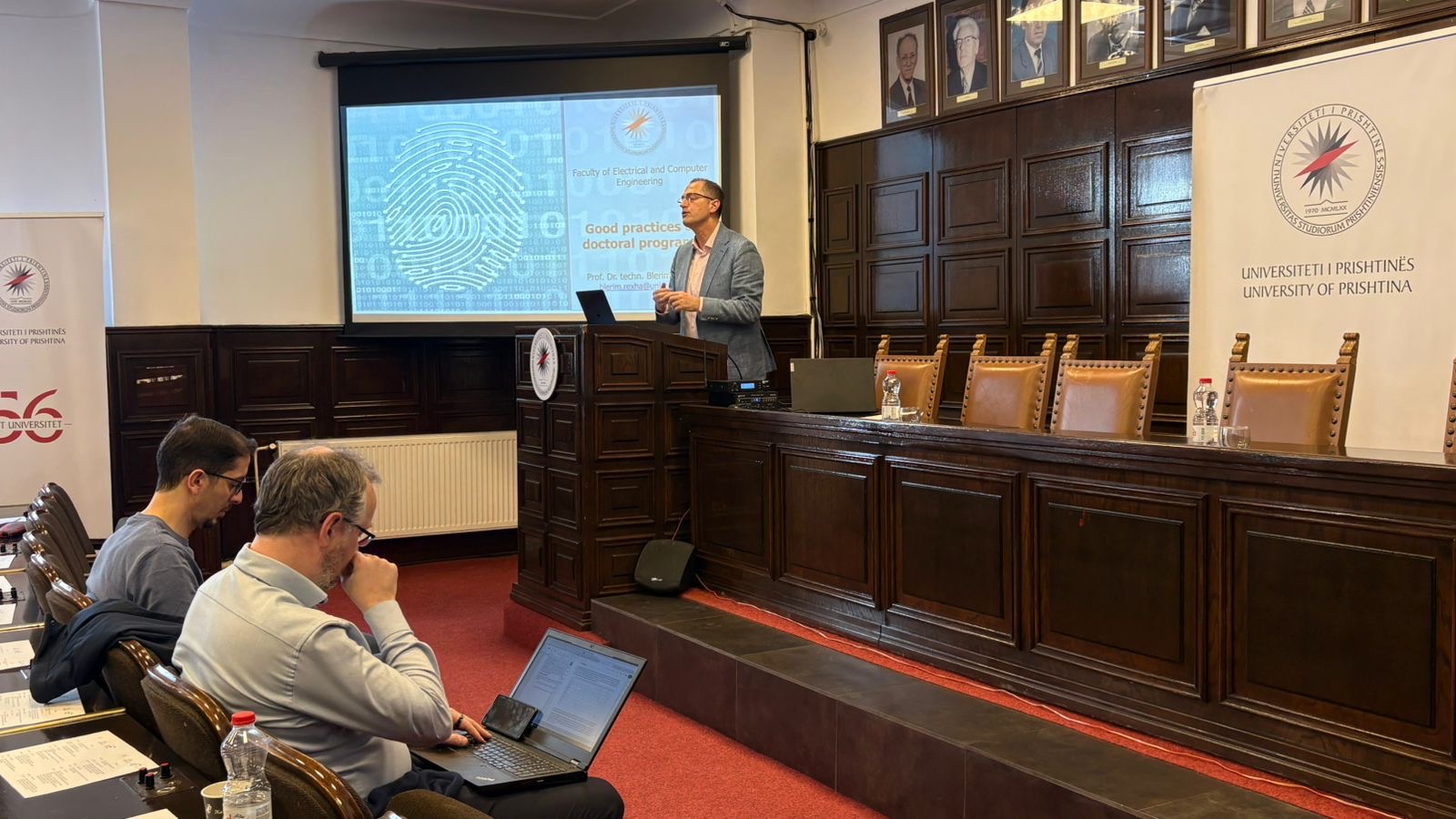
Professor Blerim Rexha introduced the doctoral programme of the Faculty of Electrical and Computer Engineering, which is shared across all its departments. He first gave an overview of the faculty, its academic staff, and the modern teaching and scientific work carried out at FIEK.
Professor Rexha praised the FIEK doctoral programme, explaining that it was written in English and includes all necessary details, making it easier for international accreditors to review and understand the programme clearly.
He also spoke about the productive collaboration between FIEK doctoral students and the University of Luxembourg. Students who spent time at the Interdisciplinary Centre for Security, Reliability and Trust (SnT) will share their knowledge and experience tomorrow during a colloquium as part of Warm UP. Several other FIEK doctoral students will travel to Luxembourg on Monday.
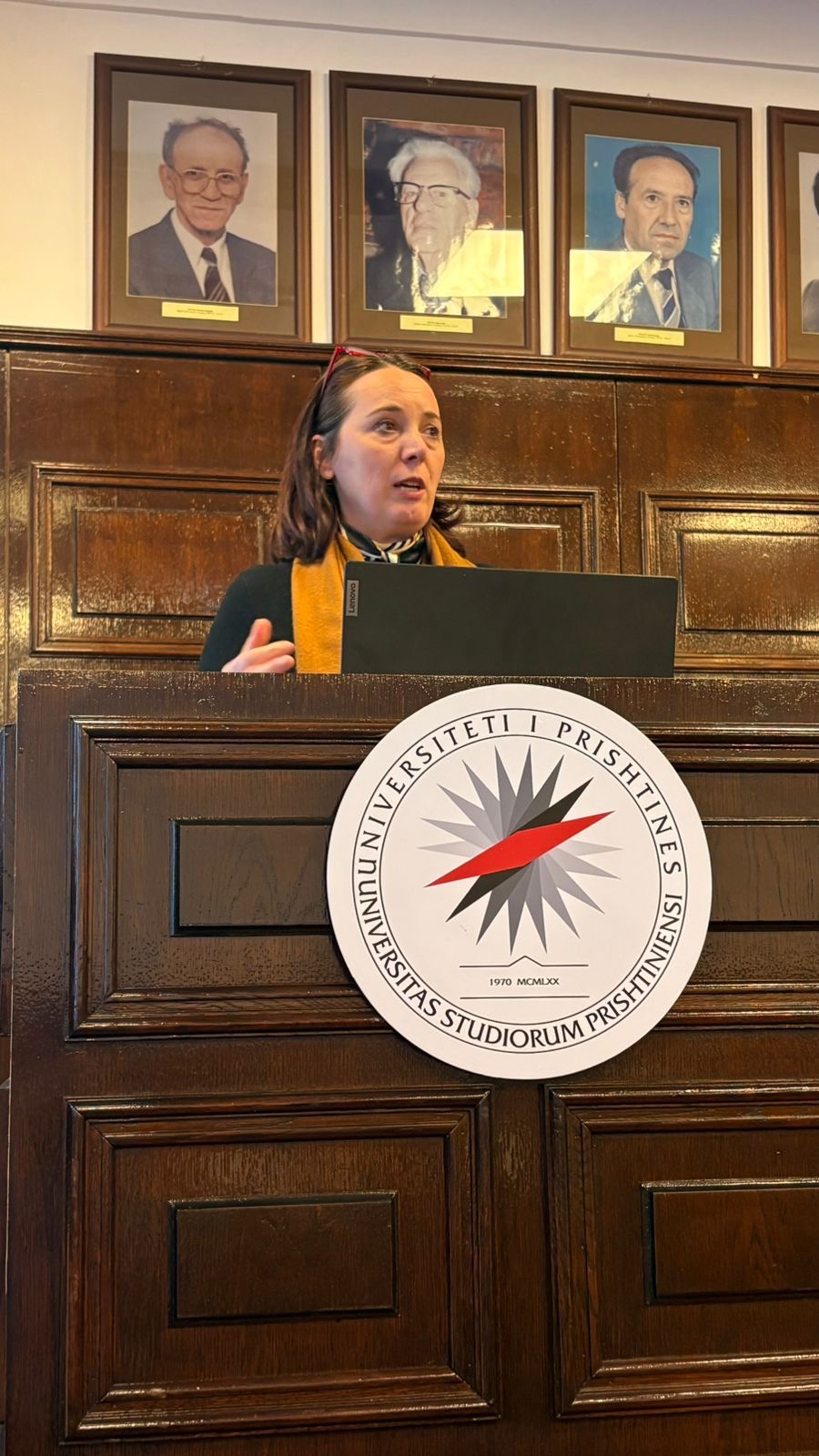
The joint double-degree programme between the University of Prishtina’s Faculties of Education and the University of Ljubljana was presented by the Vice-Rector for Institutional Development, Quality Assurance and Student Affairs, Prof. Majlinda Gjelaj.
Vice-Rector Gjelaj explained that the joint doctoral programme with the University of Ljubljana began in 2016, when UP’s Faculty of Education was just four years old.
Upon completing their doctorates, students in this programme receive a double degree, and they are supervised throughout by two mentors—one from UP and one from the University of Ljubljana. The Vice-Rector noted that two agreements were required to launch this programme: one between the universities and another between the education faculties. So far, three generations of doctoral graduates have come through this joint programme; the first two generations each had three students, and this year the number has increased to five.
During today’s session, Professor Marcus Völp from the Interdisciplinary Centre for Security, Reliability and Trust (SnT) at the University of Luxembourg explained that in his country, doctoral programmes are closely linked to industry and are designed to meet institutional needs and support economic development.
Professor Gentrit Berisha from the Faculty of Economics also spoke about how doctoral programmes and other academic opportunities work under the Horizon Europe MSCA scheme. He said UP professors can best engage with this institution through European projects. He gave the example of Professor Afrim Gjelaj from the Faculty of Mechanical Engineering, who first took part in CEEPUS and Erasmus projects, then joined staff exchanges, and later became part of the MSCA doctoral network.
The second day of “Warm UP” ended with a discussion on the challenges and importance of mentoring doctoral students. UP’s Winter School continues tomorrow with a colloquium by FIEK students and a review of the outcomes from its first edition.
Gallery