Through the Summer University Courses: Special Effects, Leadership, Economic Technology, and Transitional Justice
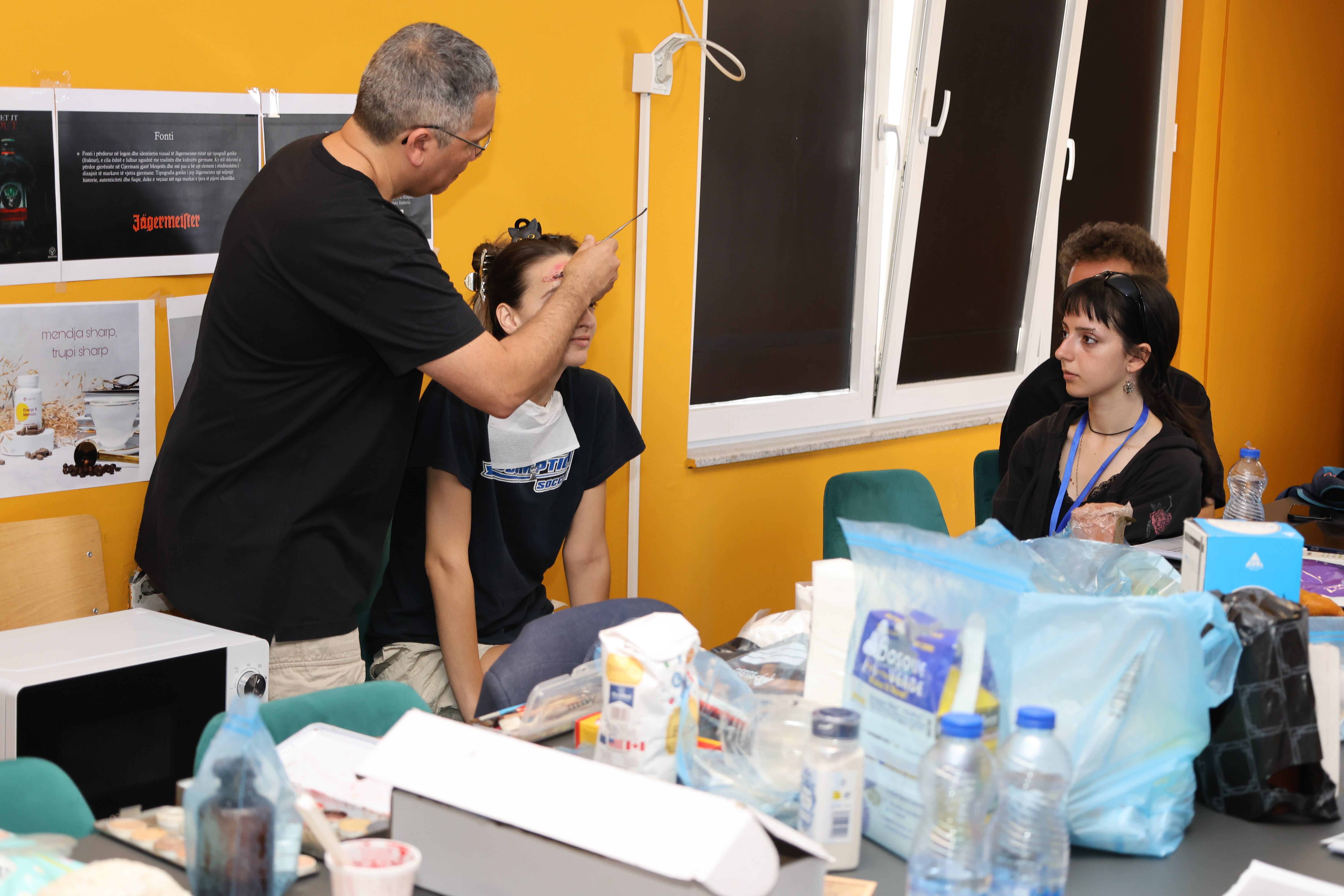
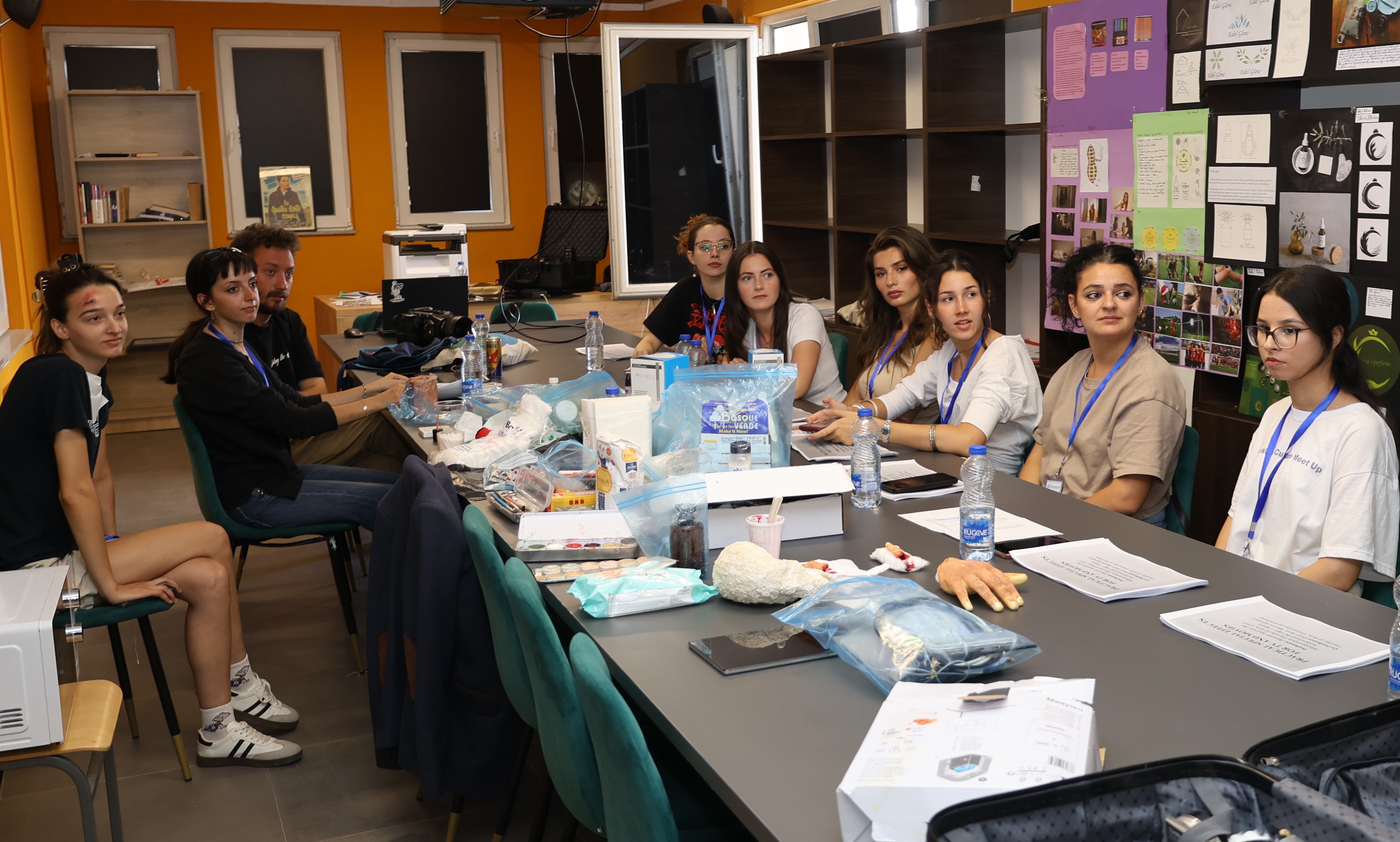
Spanish Professor Ricardo Spencer de Albuquerque, during today’s session in his course on special effects for low-budget films, demonstrated to students how to prepare the face of an actress suffering an on-screen accident.
Professor Blerim Gjinovci from the Faculty of Arts also worked throughout the period alongside the Spanish professor and the course students.
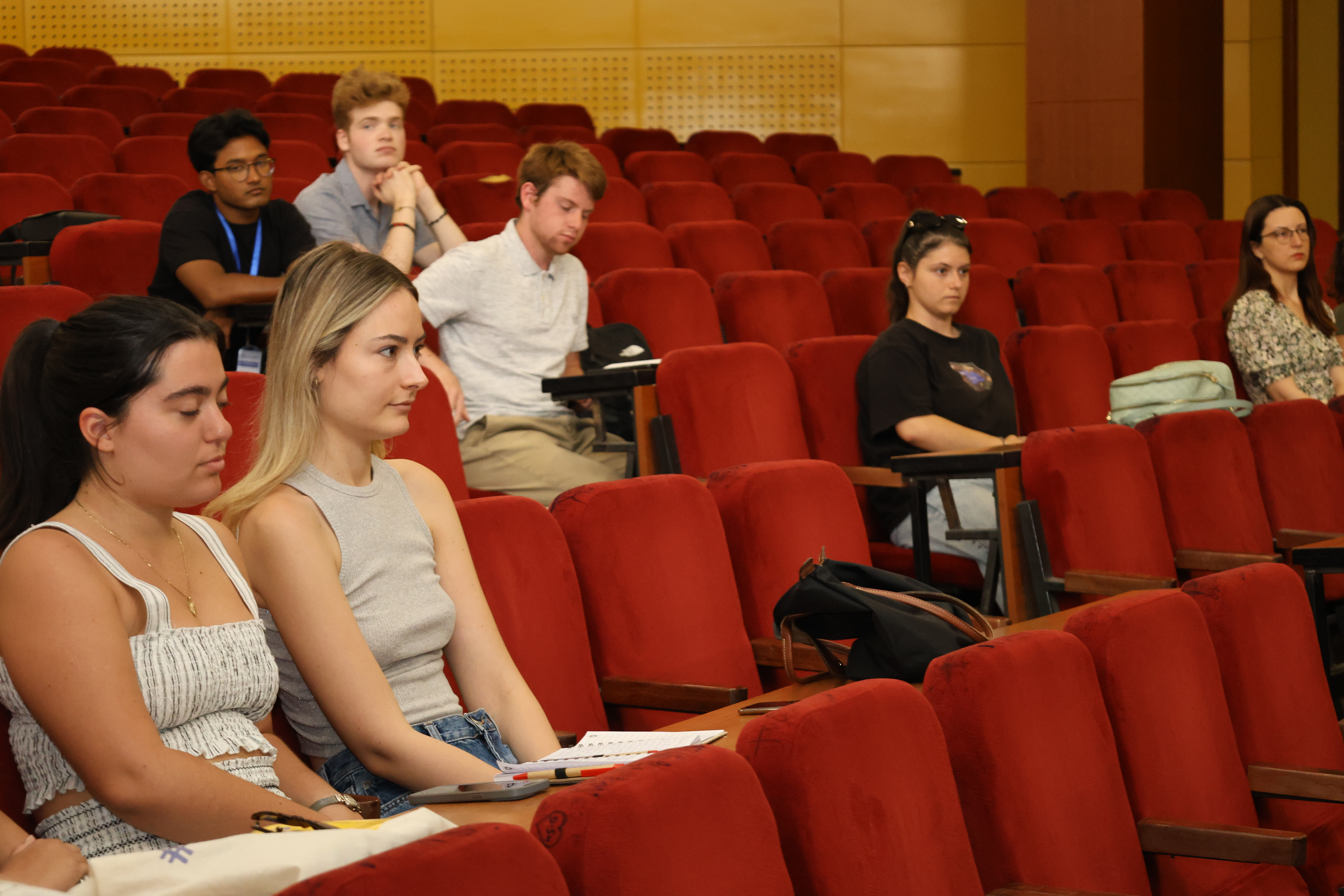
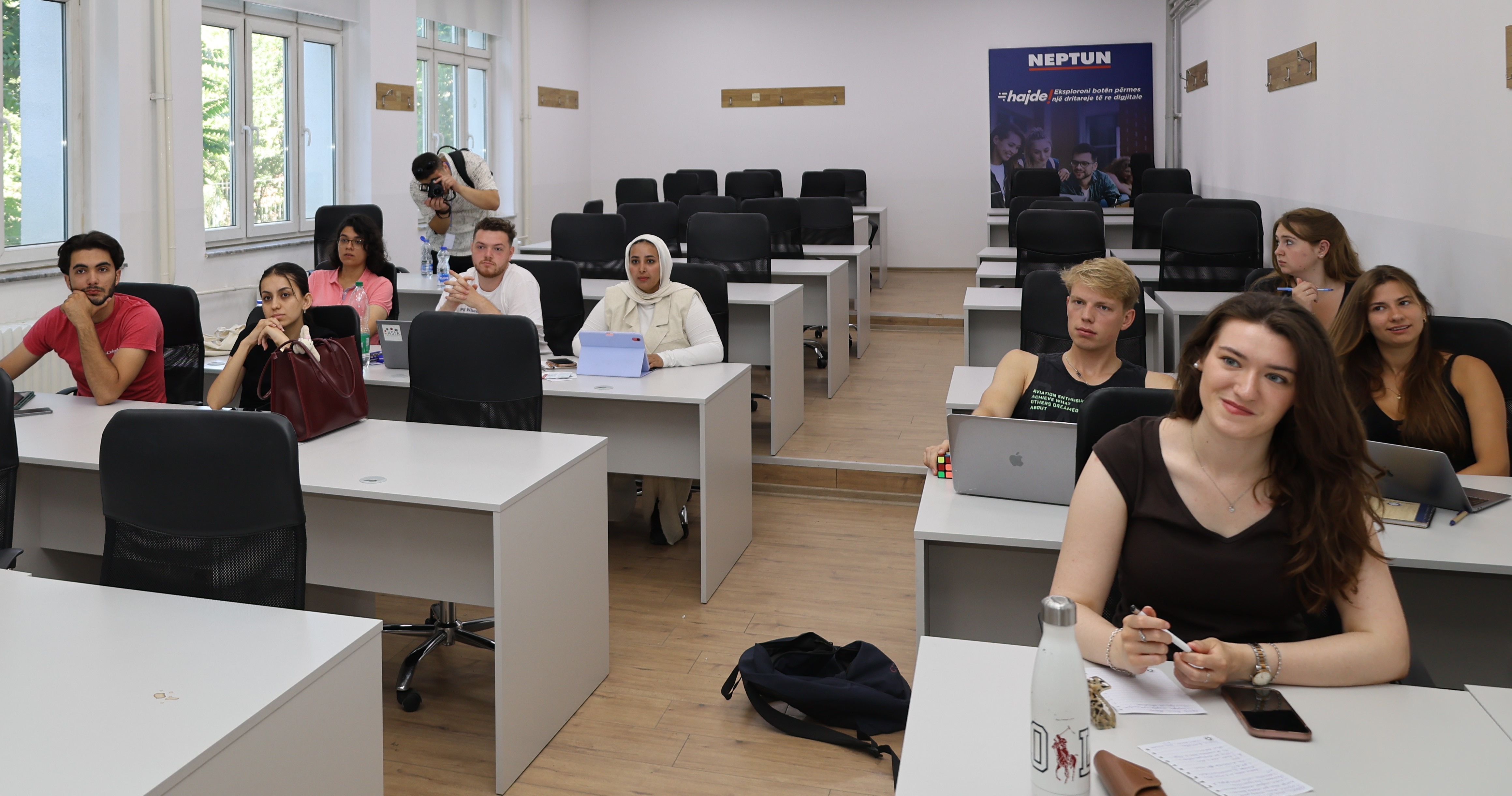
In front of guests — Vice-Rector for Internationalization and Academic Exchange Prof. Rozafa Basha; Vice-Rector for Budget, Finance, and Public-Private Sector Cooperation Prof. Albana Berisha-Qehaja; official of the International Summer University of Prishtina, Saranda Krasniqi; and students — Professor Albuquerque explained the materials used to create the effects.
He employed coffee and food coloring to simulate blood, while his workstation also displayed materials for simulating other scenarios, including a wax hand constructed during the course by Professor Albuquerque and his students.
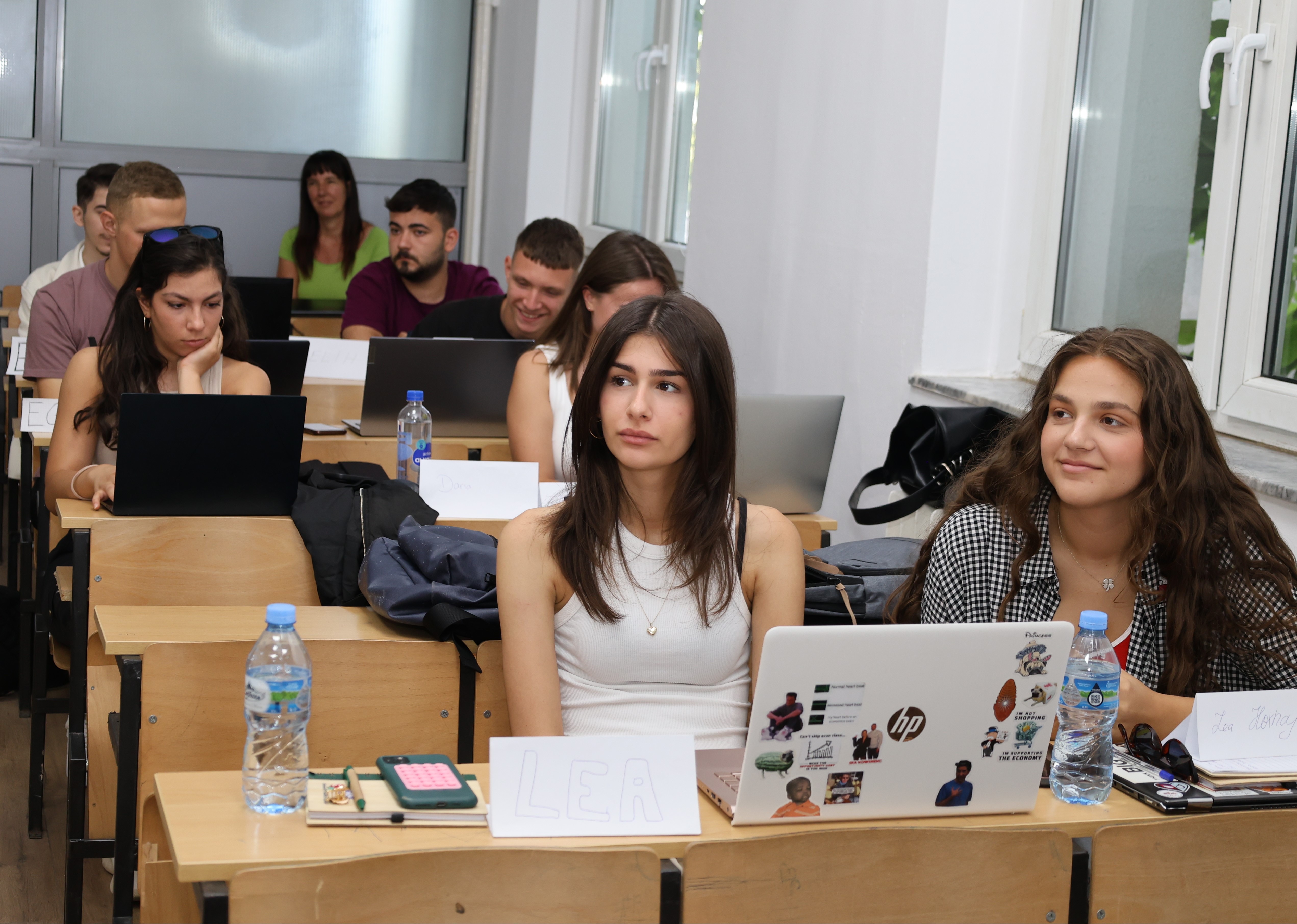
In other courses visited by the vice-rectors and official of the Summer University, held across Prishtina University’s facilities, there were no simulations or special effects due to their distinct academic nature. Everything relied on statistics and facts.
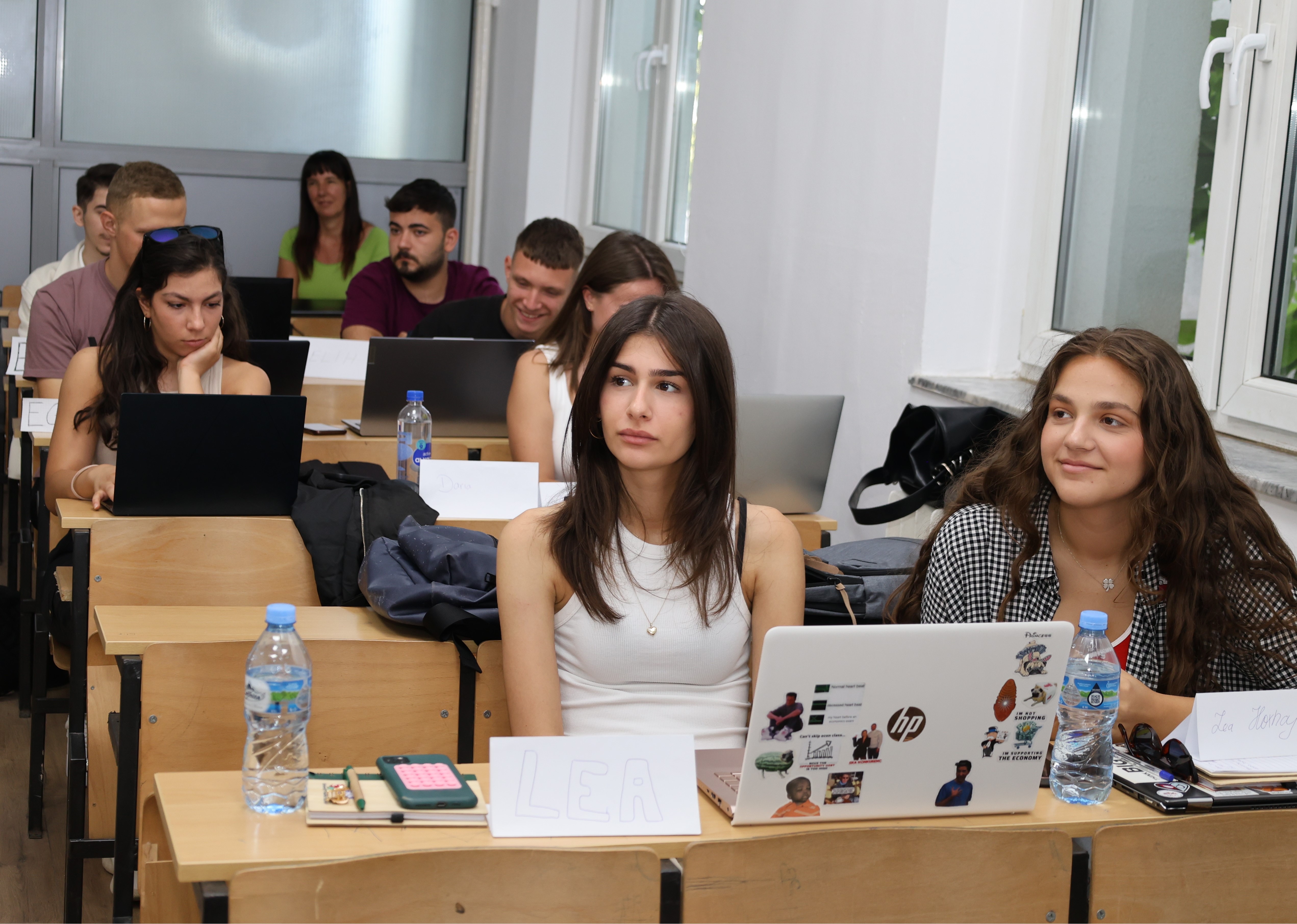
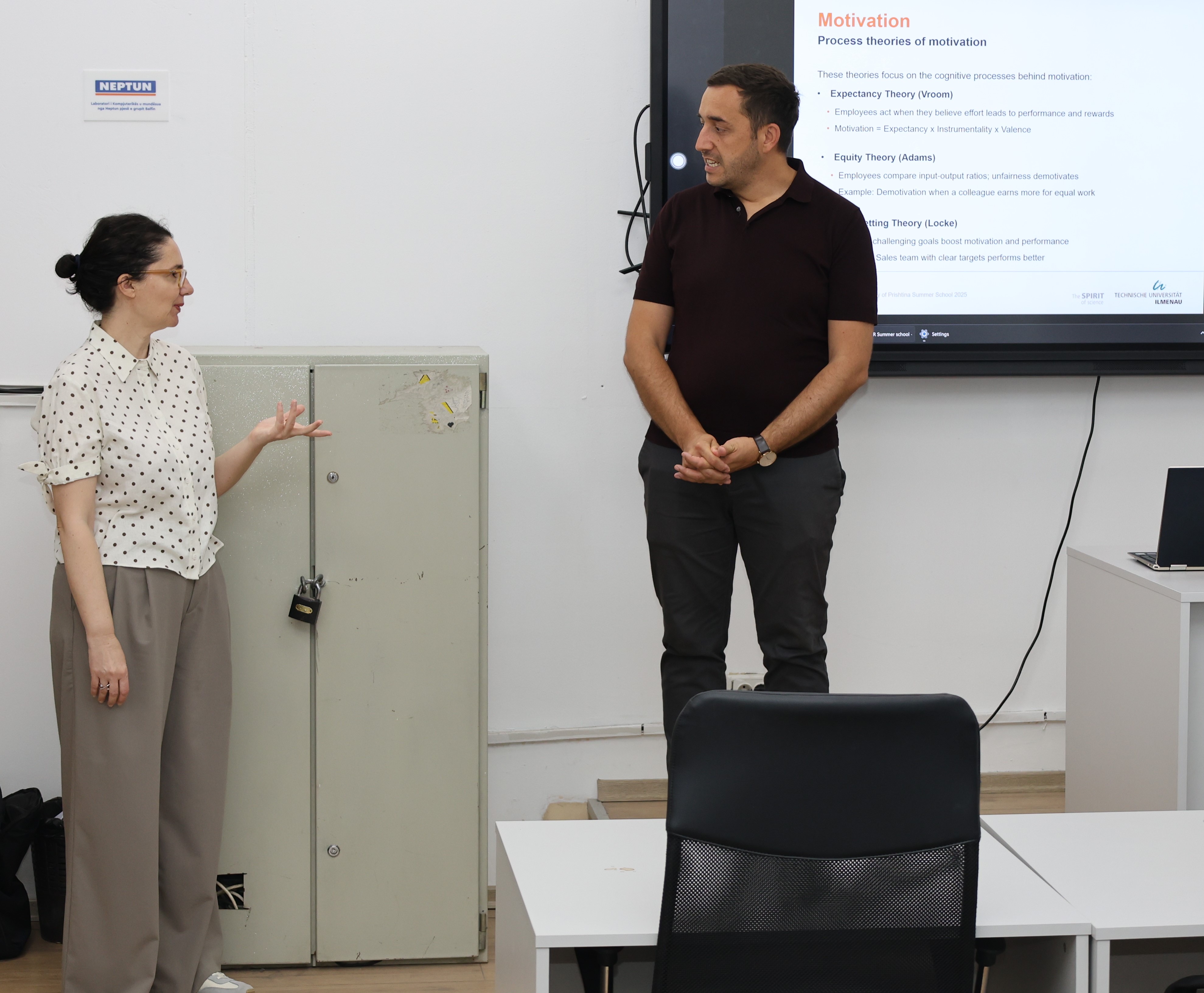
Professor Gentrit Berisha of the Faculty of Economics explained to his students — mostly from Generation Z, a digital generation born and raised with the internet — how to become leaders in a future world that belongs to them.
In another course, Italian Professor Maria Iannario of the Department of Political Science at the University of Naples "Federico II," alongside Professor Albulena Shala of the Faculty of Economics, taught students the theoretical aspects and practical applications of basic statistical models and languages used by artificial intelligence, computer programs, and similar technologies in banking and financial services.
Professors Małgorzata Misniakiewicz from the Krakow University of Economics in Poland and Visar Rrustemi of the University of Prishtina’s Faculty of Economics engaged students in their co-taught course in creative problem-solving for business, analyzing credit conditions through group work.
Meanwhile, Professor Fabian Raimondo of the Faculty of Law at Maastricht University held discussions with his students on transitional justice and war crimes, building on his earlier lecture.
In this course, he is collaborating closely with Besfort Rrecaj, a professor at the Faculty of Law.
All these academic activities at the International Summer University of Prishtina followed a two-day break from lectures, during which professors and students visited Kosovo’s most beautiful locations.
Gallery