Peer Mentoring Training (Student–to–Student) Strengthens a Collaborative Academic Culture
As part of its strategic commitments to enhancing the quality of the student experience and developing contemporary academic competencies, the University of Prishtina organized a Peer Mentoring Training (student–to–student). This important initiative aims to strengthen the active role of students in providing mutual academic and personal support within the university community.
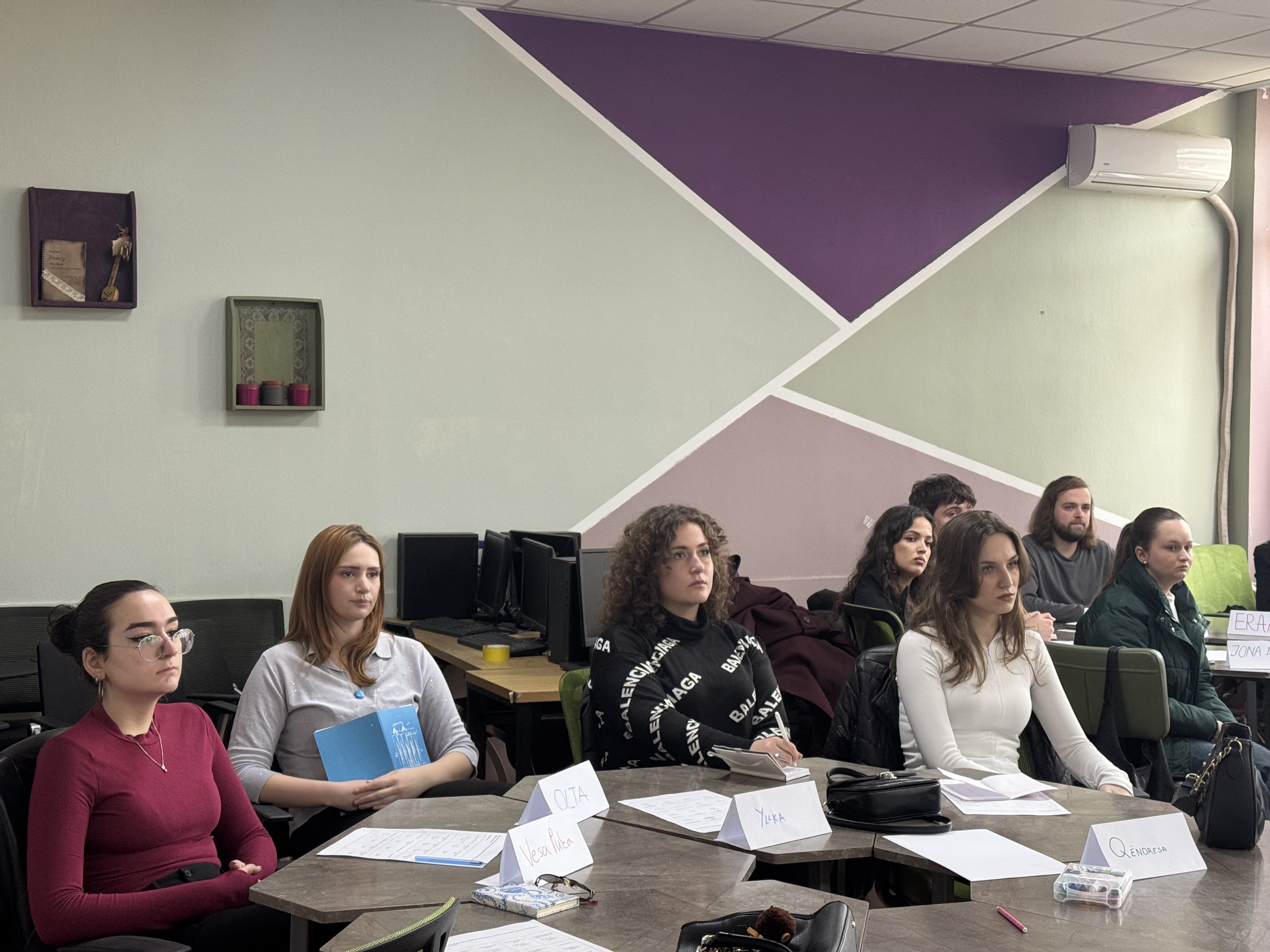
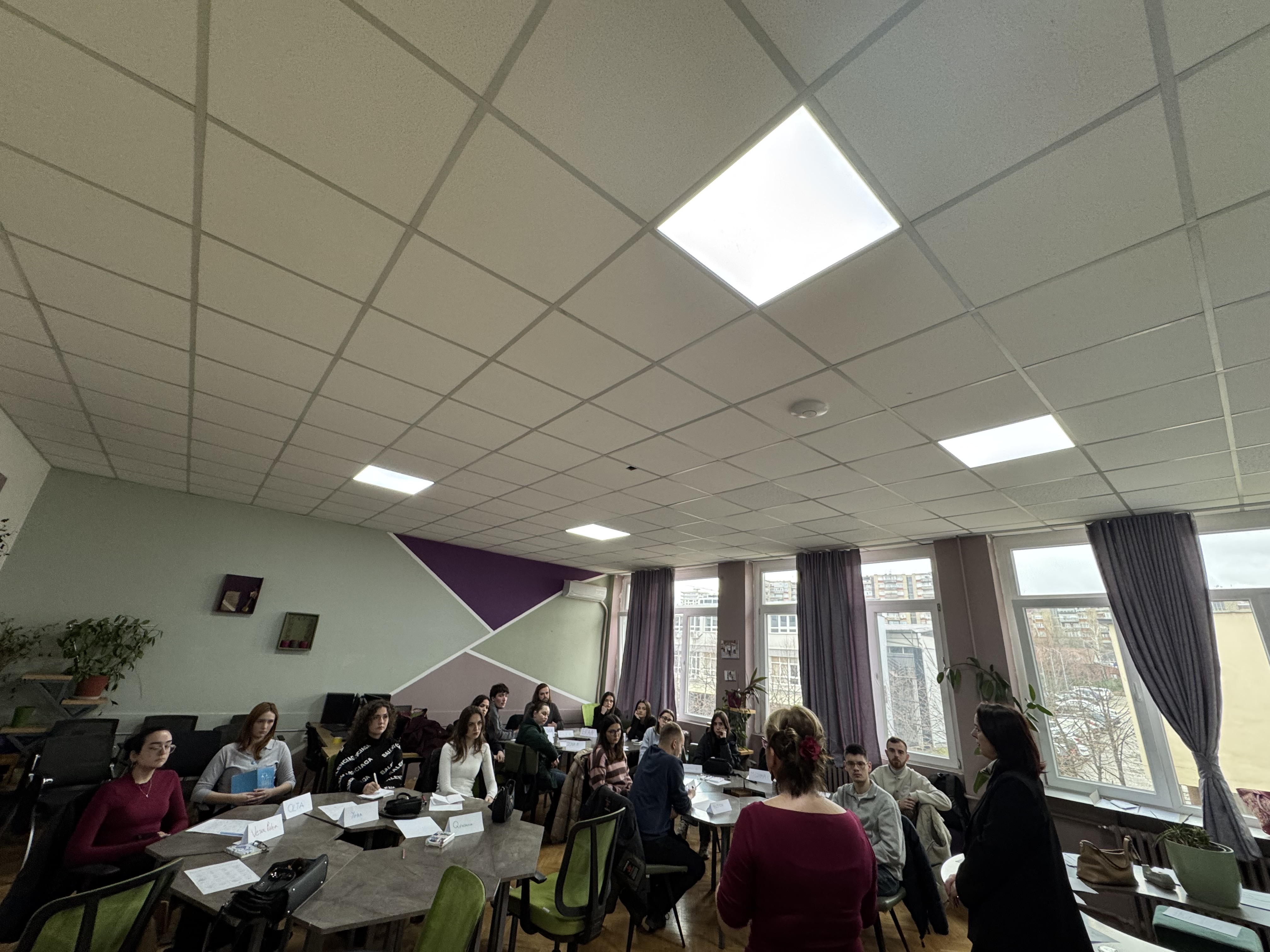
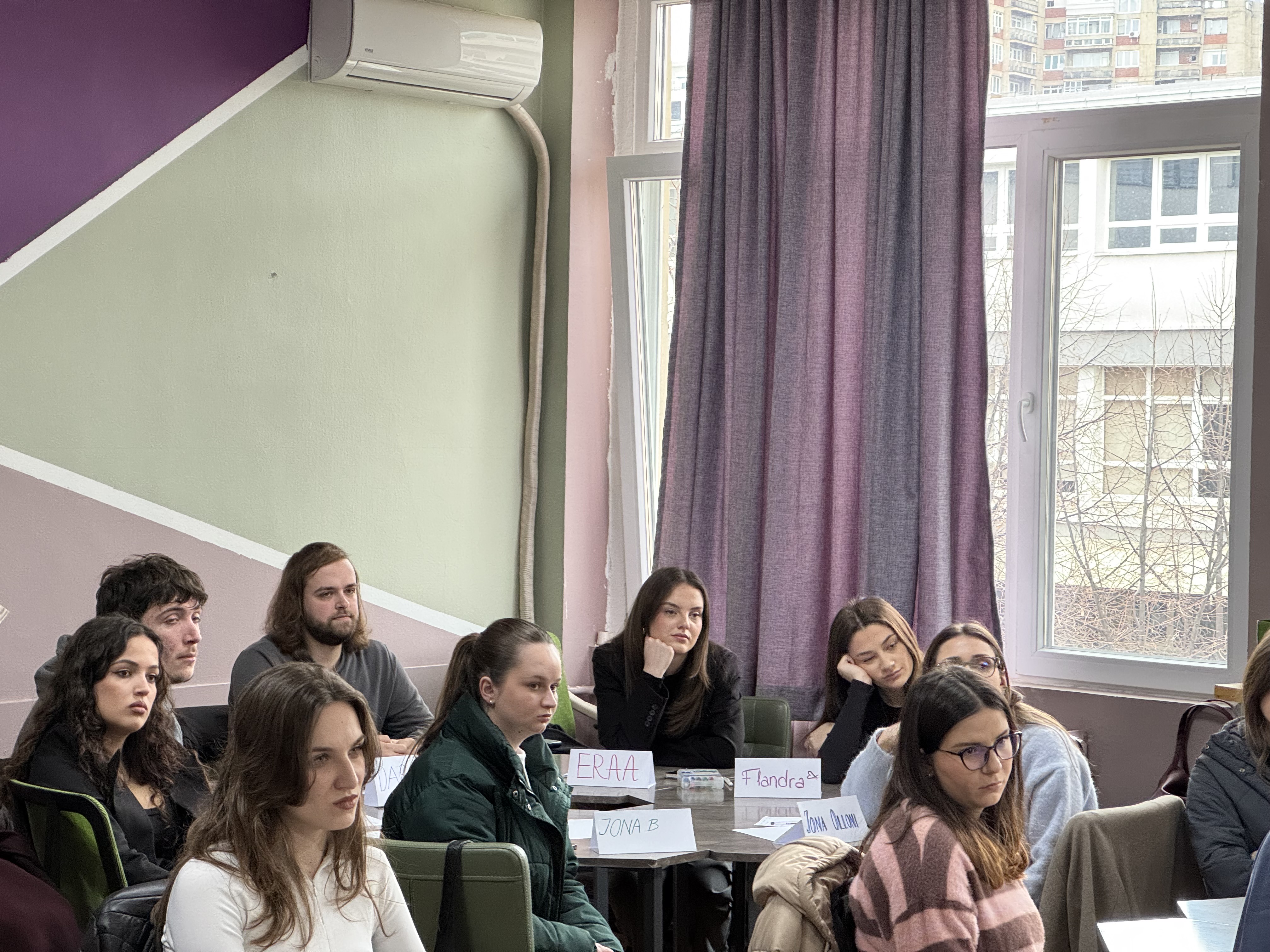
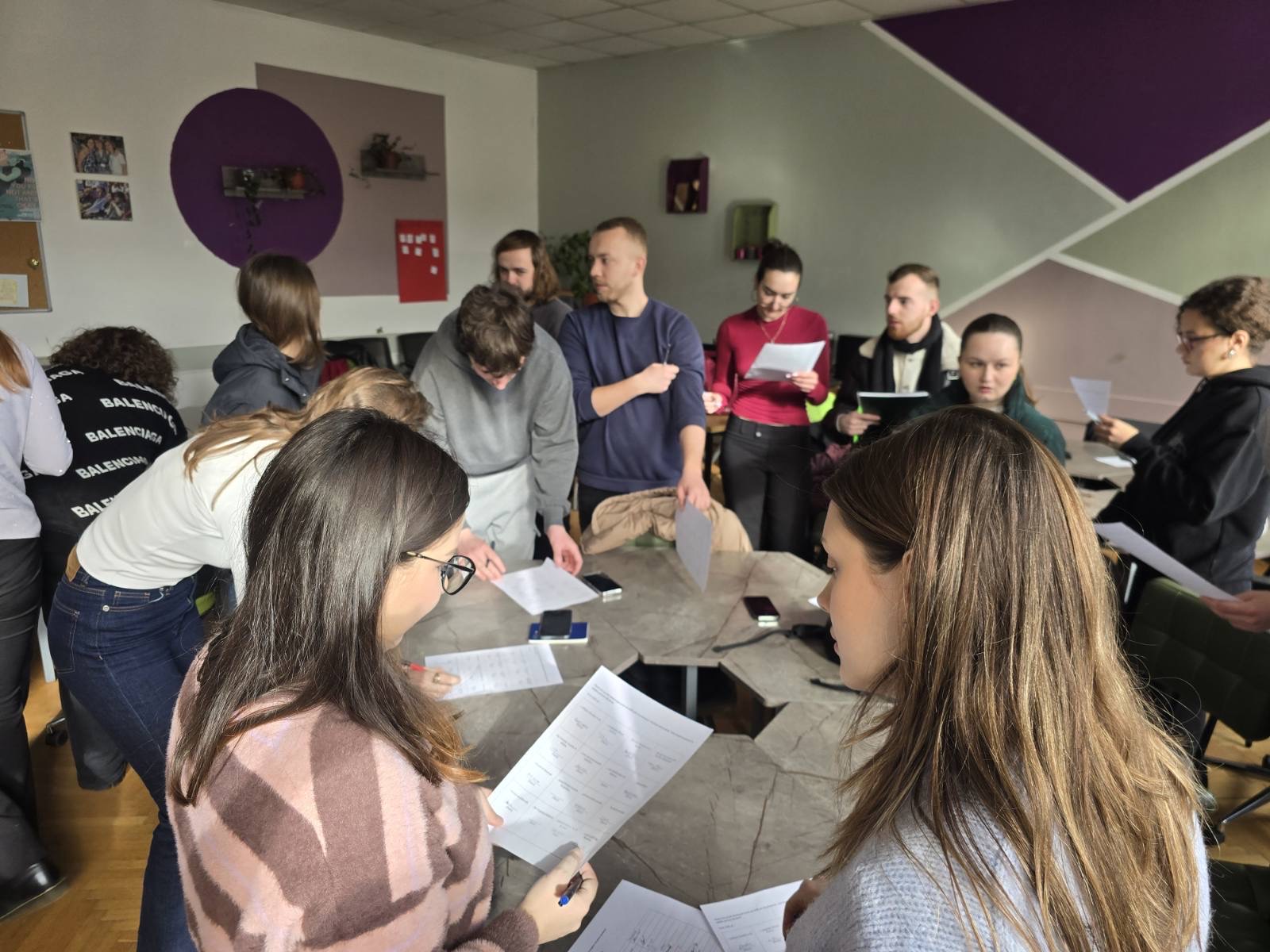
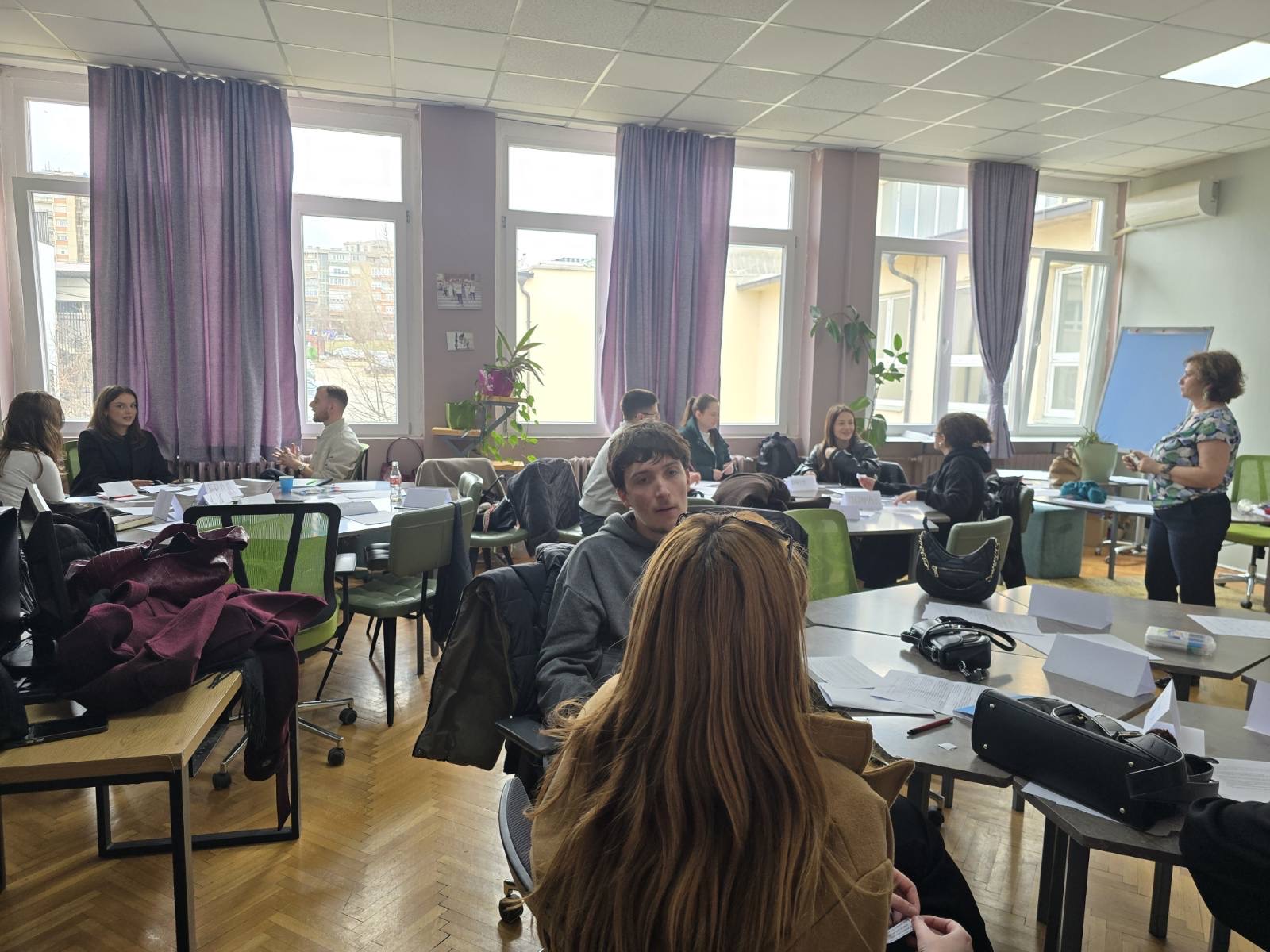
The training was held on 20 February 2026 at the Faculty of Philology of the University of Prishtina, specifically at the Department of English Language and Literature (Room 86). The event brought together students nominated by their respective academic units, recognized for their academic engagement, communication skills, and leadership potential.
The activity was designed as a developmental platform integrating contemporary approaches to student mentoring, fostering practical skills in effective communication, active listening, professional reflection, and the application of ethical standards in mentoring. Through this program, the University seeks to cultivate a collaborative institutional culture in which students support one another in academic adaptation and professional development.
The training followed a structured agenda organized into four thematic modules:
• Module 1: Principles and Context of Peer Mentoring
• Module 2: Development of Core Mentoring Competencies (Active Listening and Questioning Techniques)
• Module 3: Mentoring Practice in Real-Life Situations
• Module 4: Reflection and Ethical & Professional Practices in Mentoring
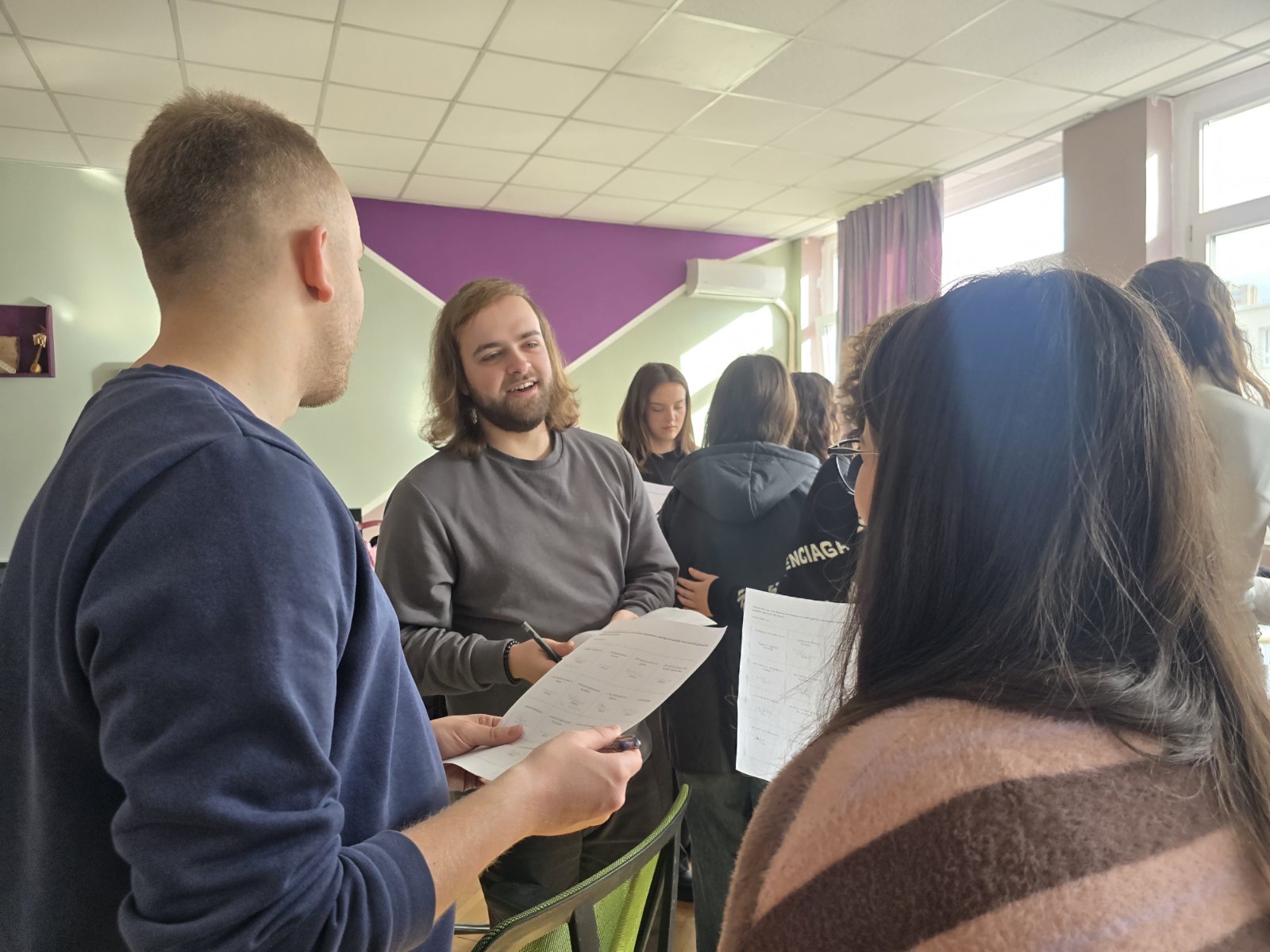
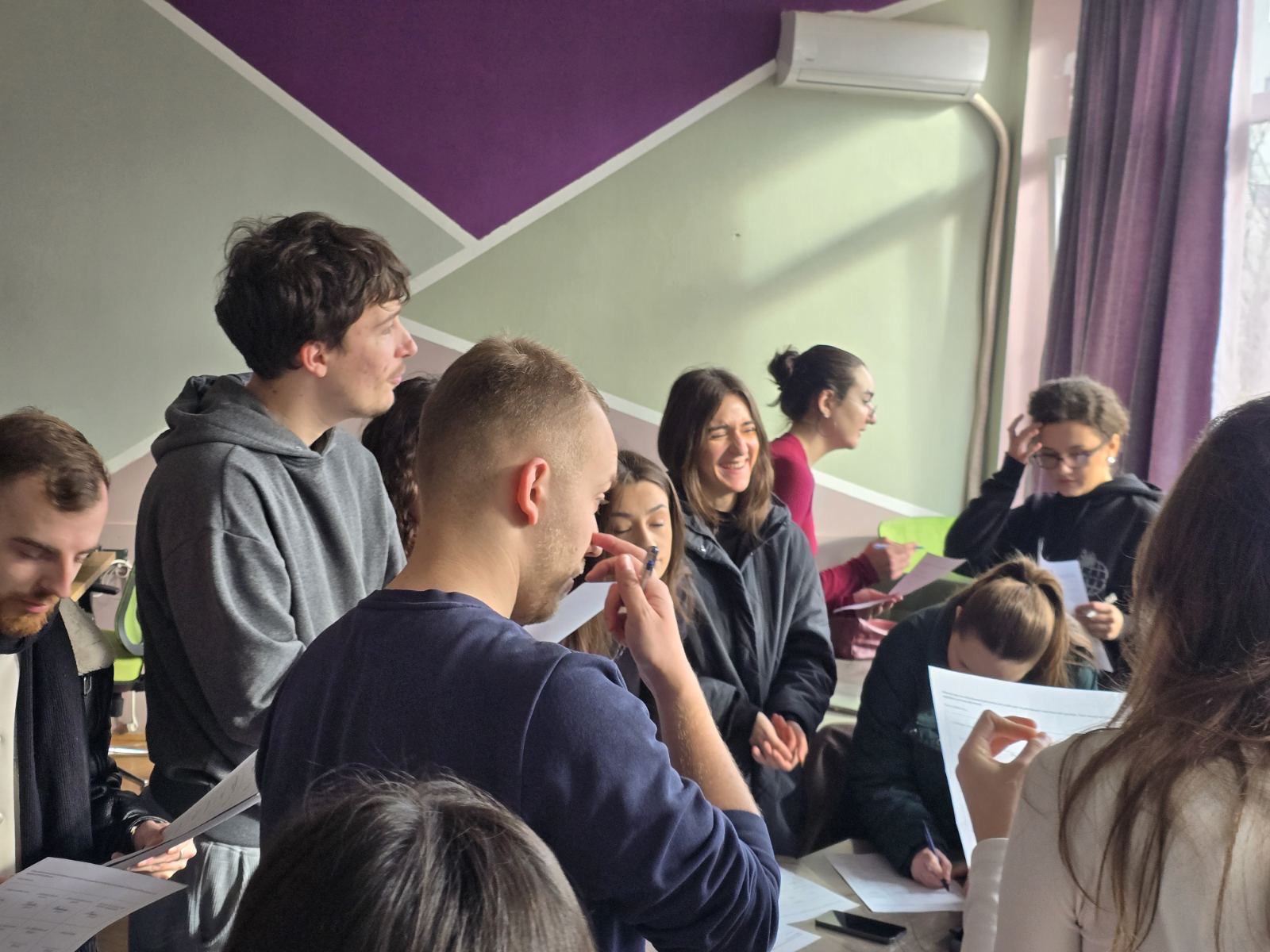
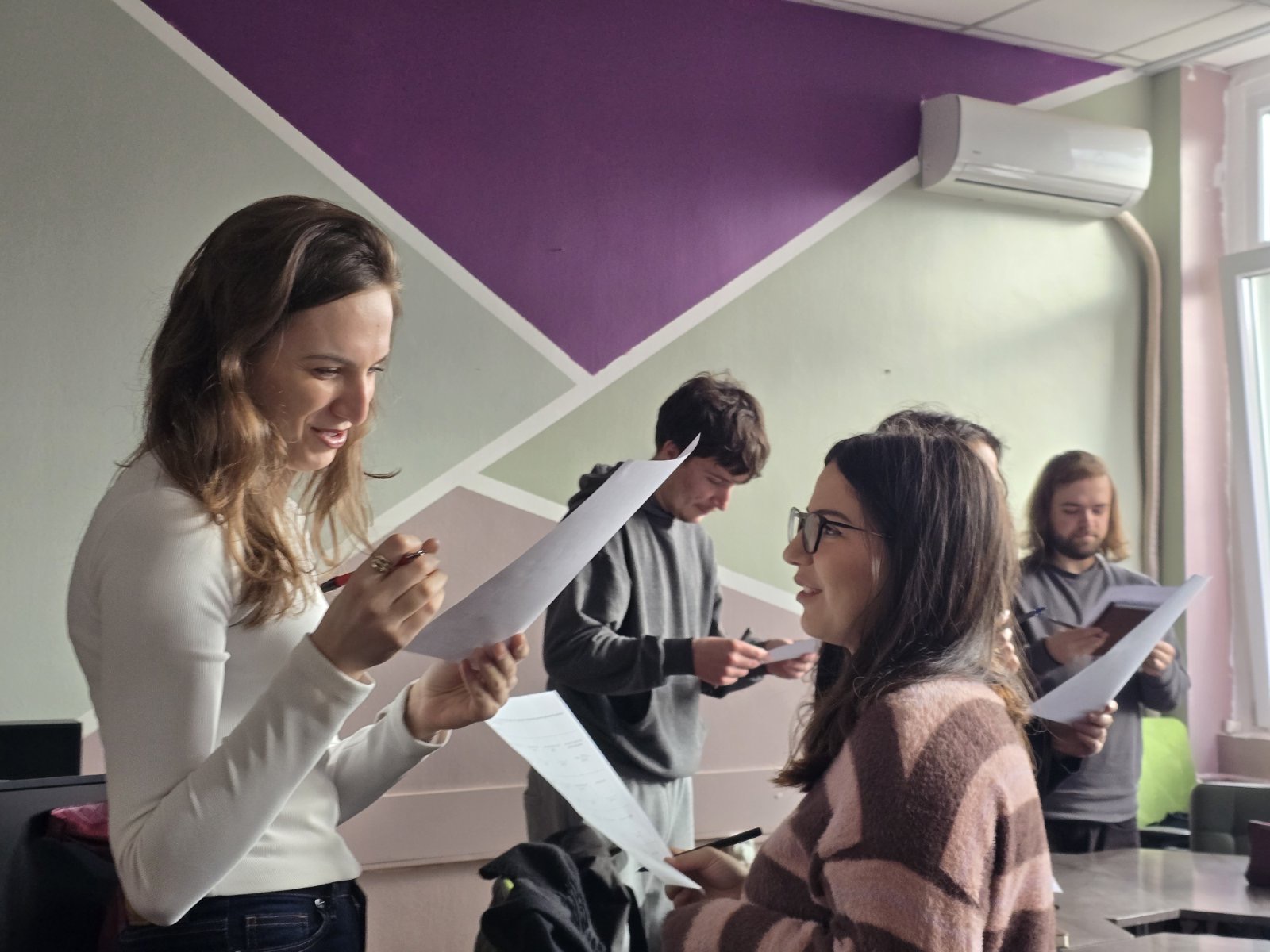
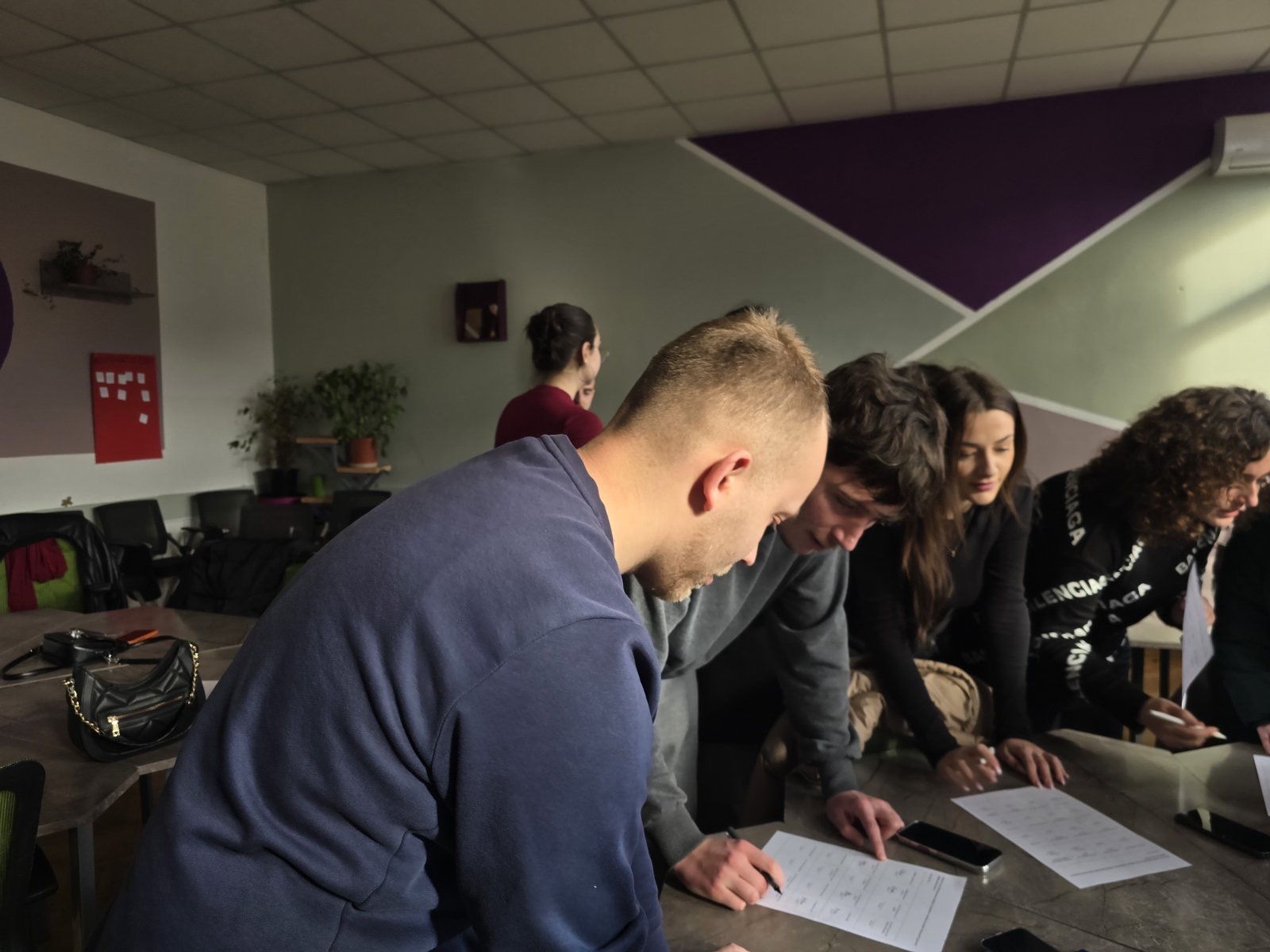
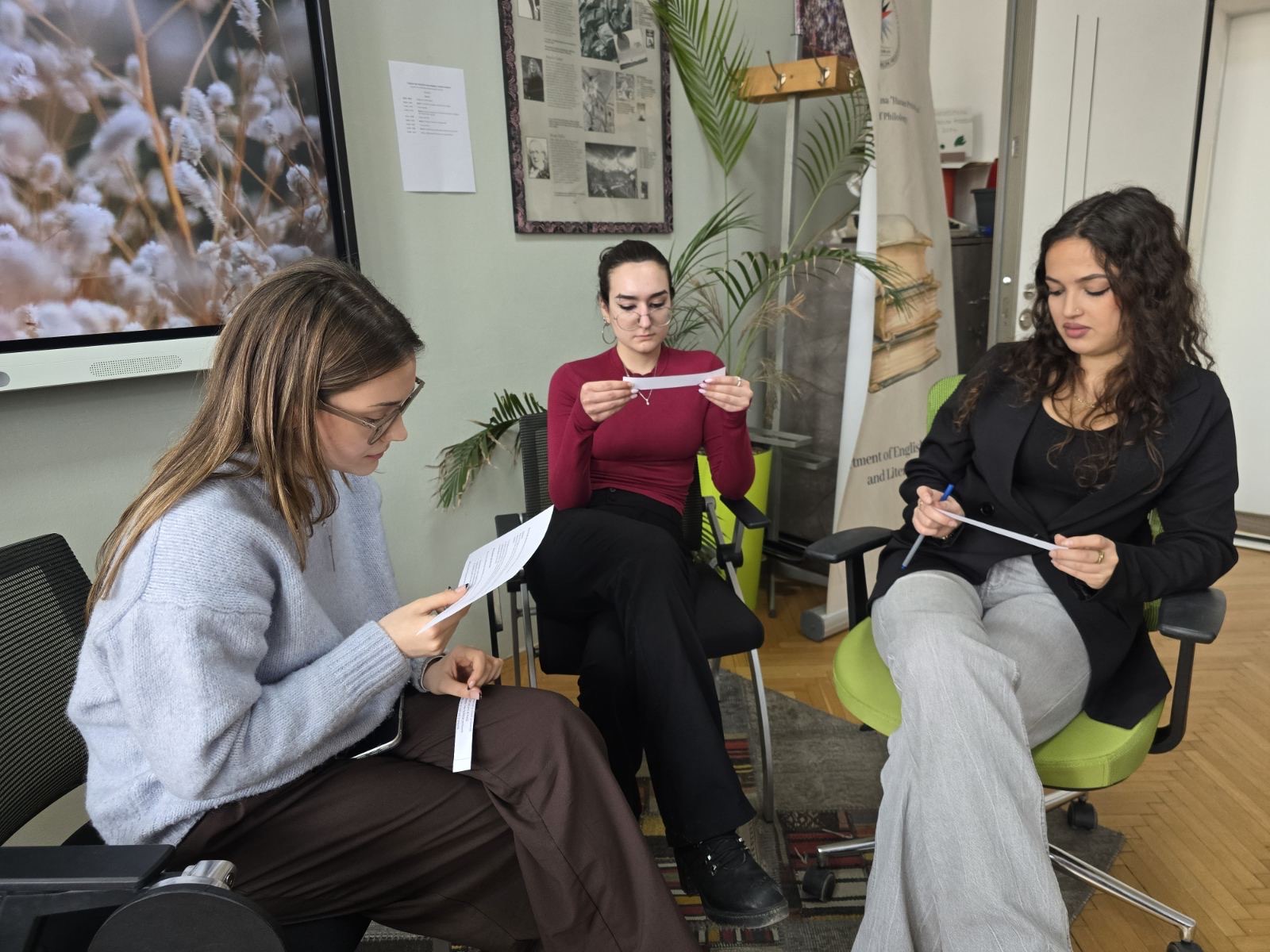
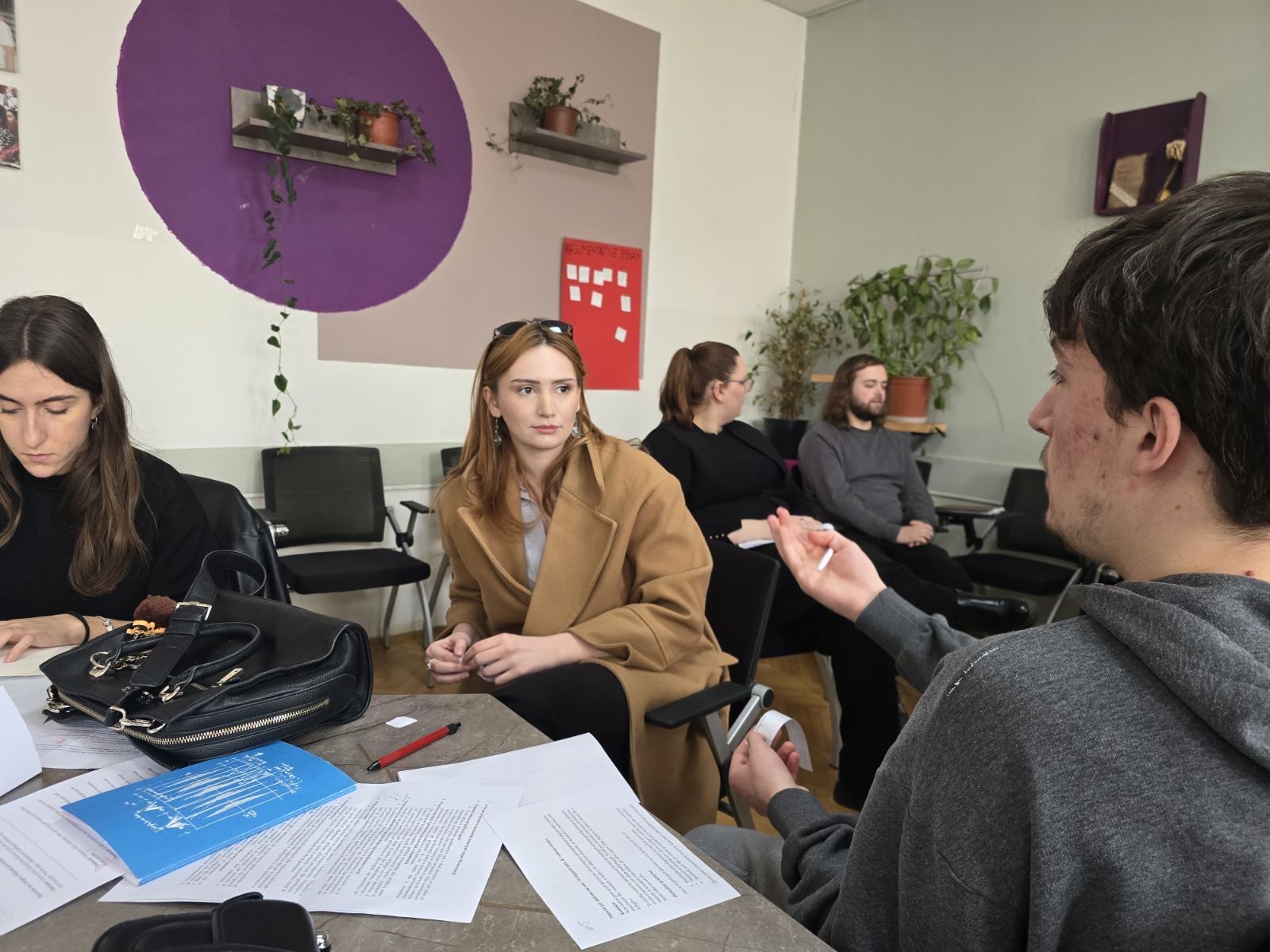
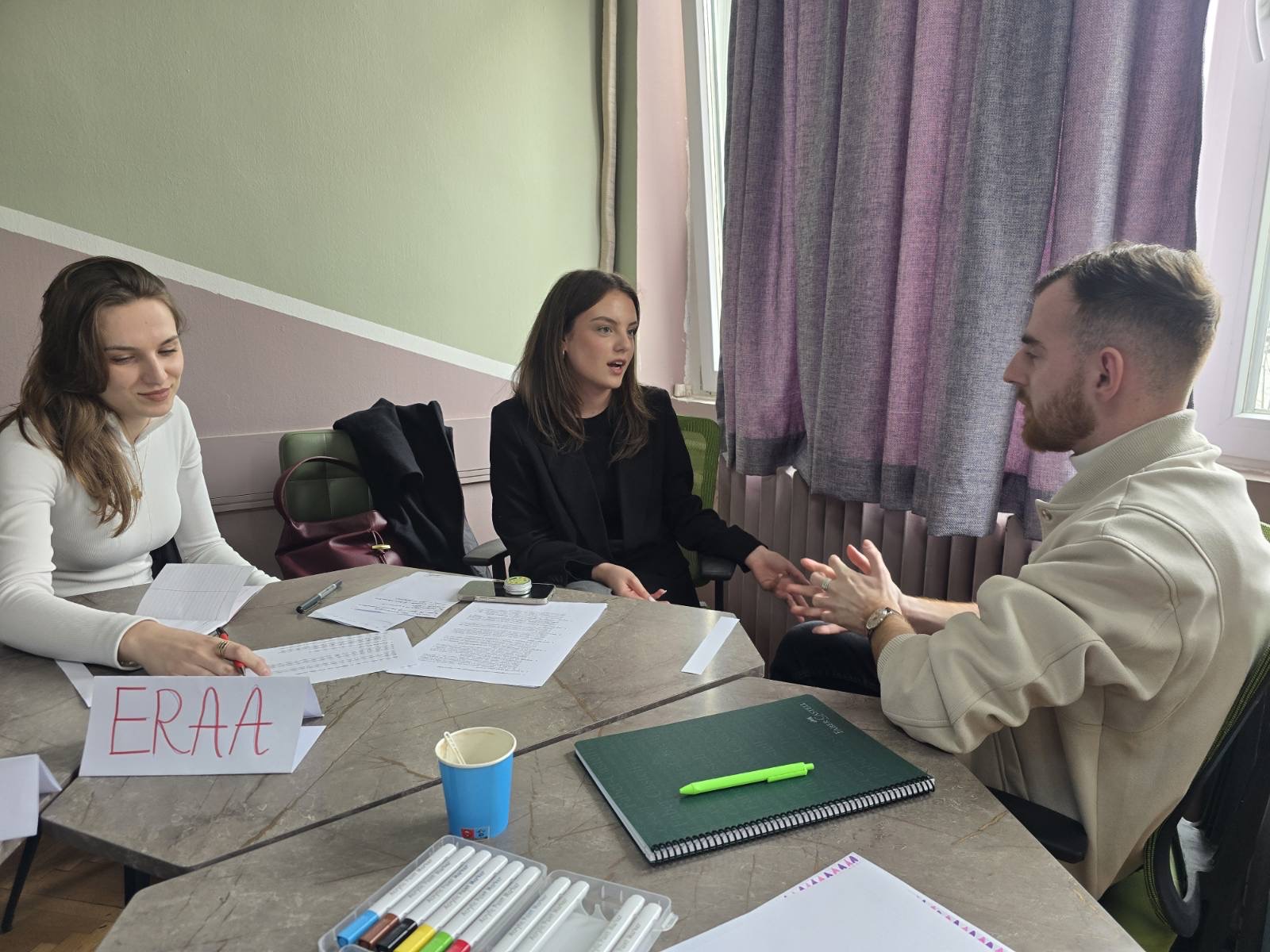
The program included interactive activities, practical simulations, and professional reflection, creating a dynamic environment for the development of student mentoring competencies.
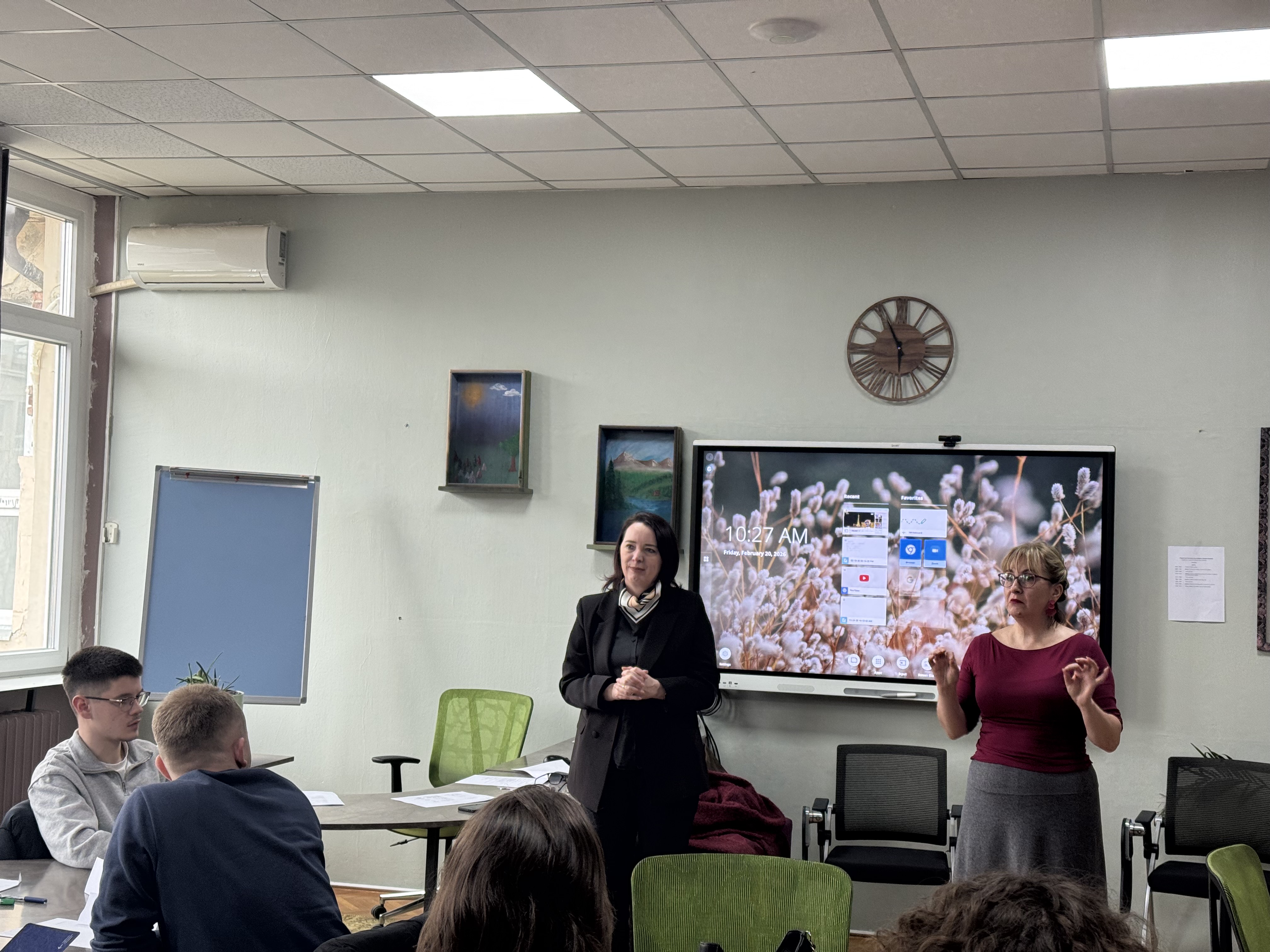
The training was delivered by Prof. Dr. Blerta Mustafa and Prof. Ass. Zinaide Gruda, two distinguished academics in the field of higher education with extensive academic experience and international expertise in the development of pedagogical and institutional competencies.
In her opening remarks, Prof. Dr. Majlinda Gjelaj, Vice-Rector for Institutional Development, Quality Assurance, and Student Affairs, emphasized the importance of mentoring as a modern instrument for improving the academic experience:
“Peer mentoring is an important mechanism for building an inclusive and supportive academic culture. The University of Prishtina remains committed to creating developmental spaces that empower student leadership and foster collaboration among peers,” said Vice-Rector Gjelaj.
She also expressed special appreciation to the management of academic units for nominating high-potential students to contribute to progressive initiatives within the University.
In her address, the trainer Prof. Dr. Blerta Mustafa, also Head of the Department of English Language and Literature, highlighted the practical dimension of mentoring:
“Peer mentoring is a transformative process that builds competencies in communication, empathy, and professional reflection. Student mentors are key carriers of academic culture and institutional development,” explained Prof. Dr. Mustafa.
Meanwhile, Prof. Ass. Zinaide Gruda underlined the empowering role of mentoring within the university community:
“Peer mentoring represents a contemporary approach that places the student at the center of academic development. Through mutual support, open communication, and professional reflection, we build a collaborative culture in which students not only benefit, but also actively contribute to strengthening the university community,” said Prof. Ass. Gruda.
The training was highly appreciated by the participating students, who considered this initiative a concrete opportunity for personal and academic development.
Jon Gashi, a third-year BA student at the Faculty of Philosophy, Department of History, explained what he aims to do after completing this training.
“The application process and participation in the training helped me better understand the role of a mentor as a collaborative leader. I aim to organize information sessions for new students on study management and academic orientation,” said Gashi.
Yllka Kllokoqi, a second-year MA student at the Faculty of Philosophy, Department of History, noted that the training fully achieved its intended objective.
“The training provided concrete tools for effective communication and academic support. I plan to initiate periodic mentoring meetings for bachelor-level students, focusing on the development of research skills,” said Kllokoqi.
Olta Hasanaj, a second-year MA student at the Faculty of Architecture, Department of Urbanism, emphasized the program’s practical dimension.
“This training helped me understand the importance of mentoring in professional development. I intend to organize collaborative workshops for architecture students, combining academic experiences with creative practices,” said Hasani.
The Peer Mentoring Training represents an important step toward institutionalizing contemporary student support practices at the University of Prishtina. Through the voluntary engagement of student mentors and the support of academic structures, this initiative is expected to contribute to:
• enhancing the quality of the student experience;
• improving the academic integration of new students;
• developing student leadership competencies;
• strengthening a culture of collaboration and academic solidarity.
The University of Prishtina remains committed to promoting programs that empower students as active partners in institutional development and in advancing higher education standards.
At the conclusion of the activity, participants engaged in collective reflection and evaluation of the training process, reaffirming the importance of continuing such initiatives in support of sustainable academic development.
Gallery