Over a Decade of International Collaboration: University of Prishtina and Bernhard Nocht Institute for Tropical Medicine Strengthen Capacities in the Fight Against Dangerous Viruses
For more than ten years, the University of Prishtina has been winning projects from leading German institutions, continuously fighting dangerous viruses that Kosovo faces.
Since 2014, the University of Prishtina has been a beneficiary of projects funded by the German Government under the Biosecurity Programme of the German Federal Foreign Office. The projects have been carried out by the Bernhard Nocht Institute for Tropical Medicine in Hamburg and coordinated by Dr. Petra Emmerich.
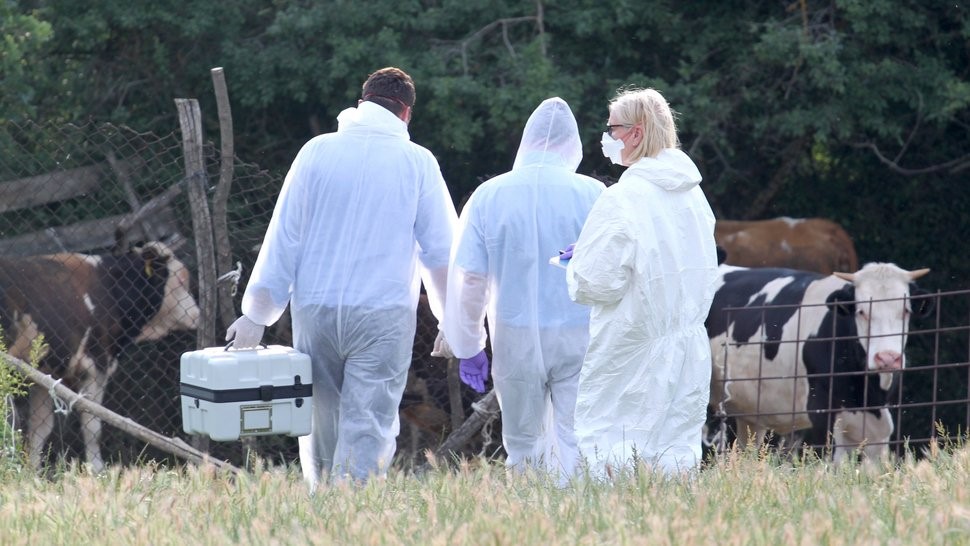
The main goal of these projects which also involve the National Institute of Public Health and the Infectious Diseases Clinic of the University Clinical Centre of Kosovo has been to strengthen laboratory capacity in Kosovo for early detection of high-risk viruses, such as Crimean-Congo hemorrhagic fever virus, Hantavirus, West Nile virus, Mpox, and others.
Within this cooperation, joint scientific research has been carried out, resulting in dozens of papers published in prestigious international scientific journals. The results of this research have also been presented at international conferences, including the Medical Biodefense Conference, which is held every two years in Munich, Germany.
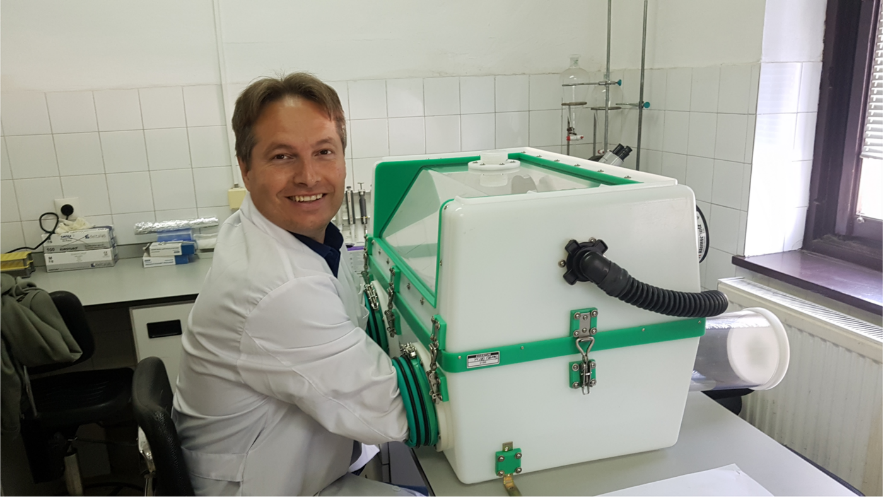
An important part of the projects has been the donation of laboratory equipment, consumables, test kits, and reagents needed for research in Kosovo, as well as training staff in biosecurity and laboratory methods.
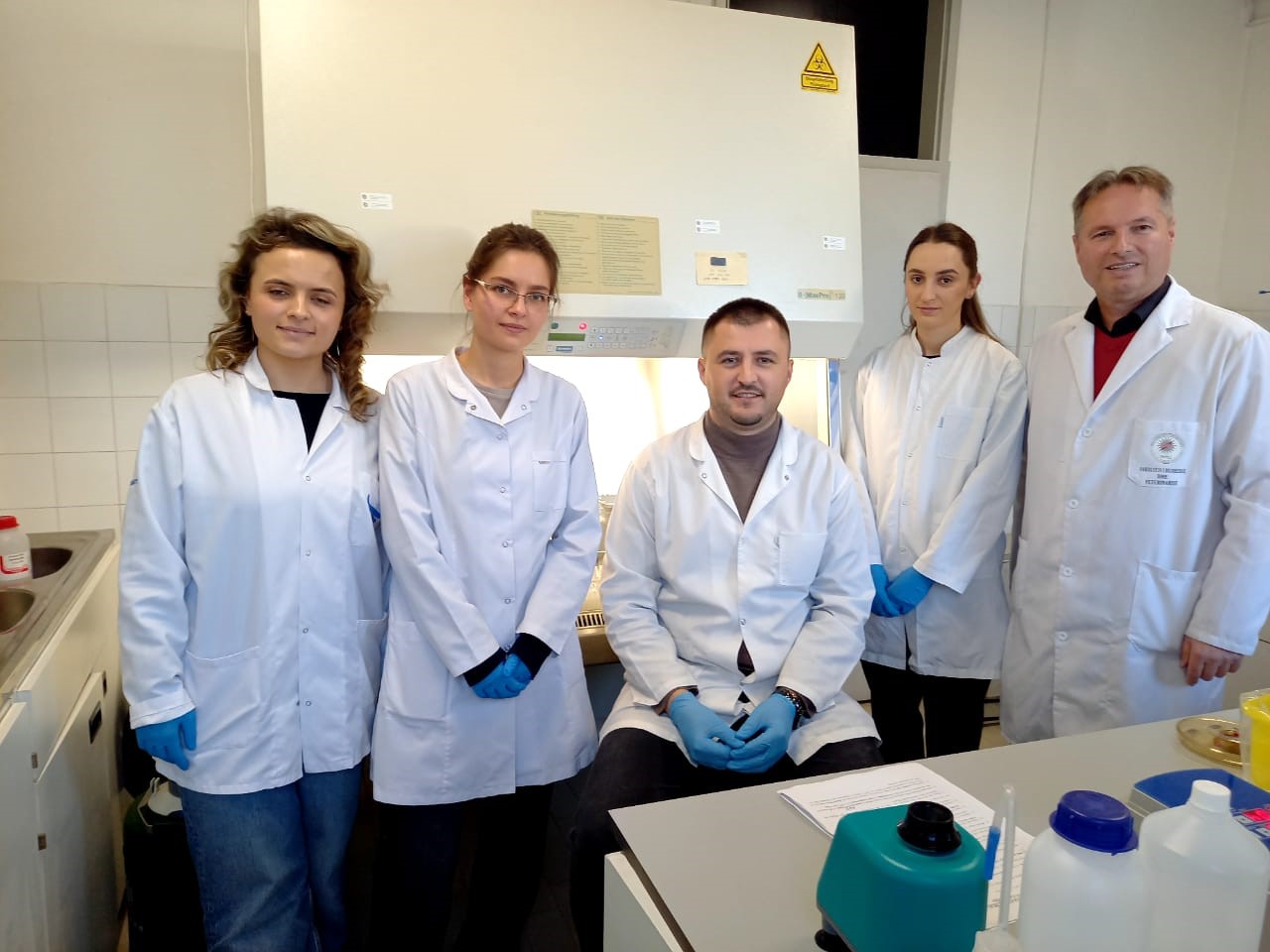
The Faculty of Agriculture and Veterinary Medicine is one of the beneficiaries of modern laboratory equipment, kits, and consumables for monitoring arthropod-borne viruses, which are also being used for teaching and scientific work.
Professor Kurtesh Sherifi of this faculty, who is the German project’s partner in Kosovo, told the Bernhard Nocht Institute for Tropical Medicine website in Hamburg that the German Biosecurity Programme of the Federal Foreign Office has been one of the most effective and important projects in his scientific career so far.
“The project was characterized by intensive and dedicated work, excellent interpersonal cooperation, and measurable success — a decline in Crimean-Congo hemorrhagic fever virus (CCHFV) cases between 2013 and 2025,” said Professor Sherifi, thanking the German state on behalf of the University of Prishtina and the state of Kosovo.
Professor Sherifi and Dr. Matthew Montgomery are also scientific leads in a joint project with the U.S. Army Medical Component and the Veterinary Medicine unit of the University of Prishtina, aimed at identifying viruses, bacteria, and parasites dangerous to soldiers and the population in the area of the U.S. military camp “Bondsteel.”
Gallery