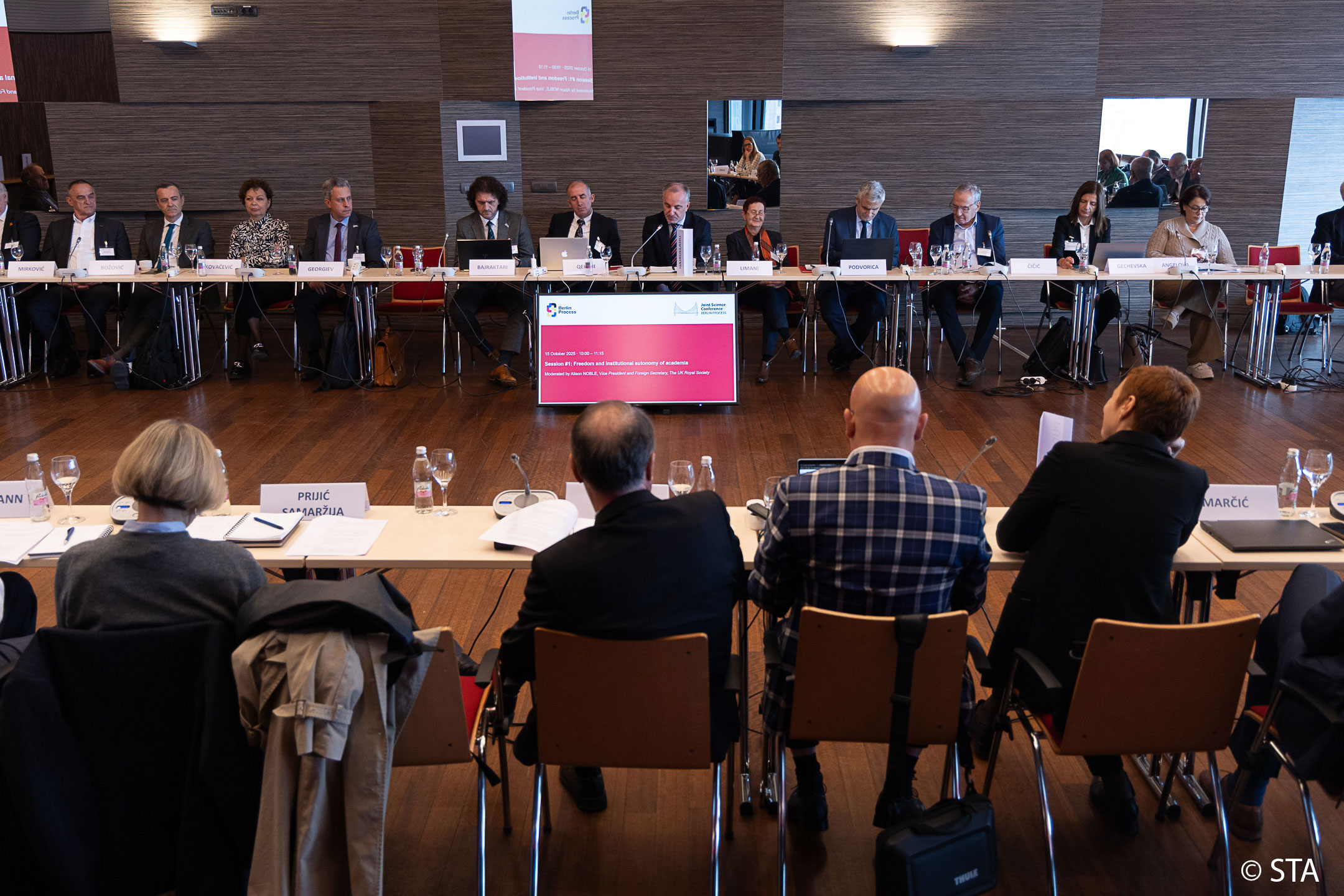
Conference within the Berlin Process Framework: The Challenges of Pursuing Science in an Era of Multifaceted Pressures
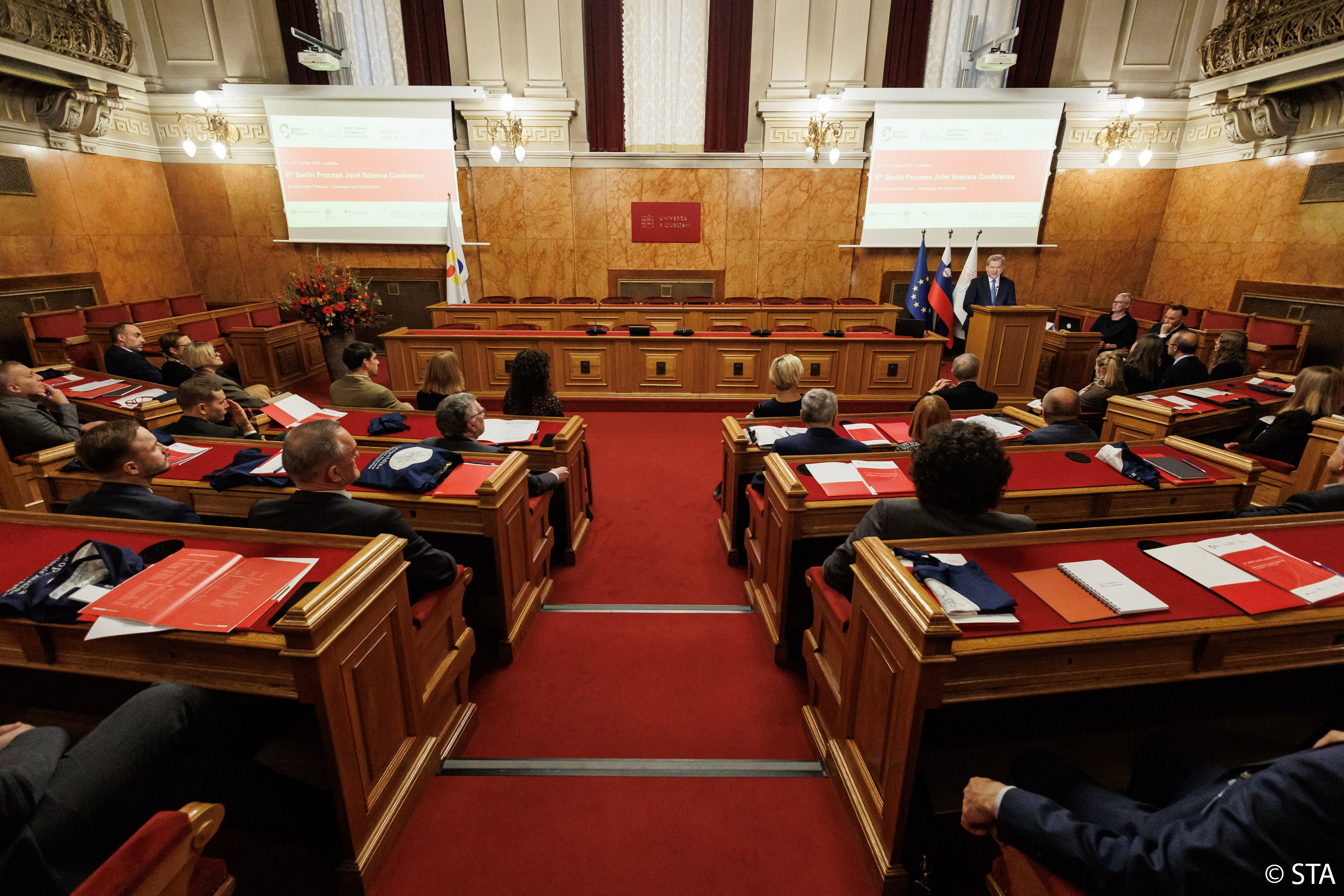
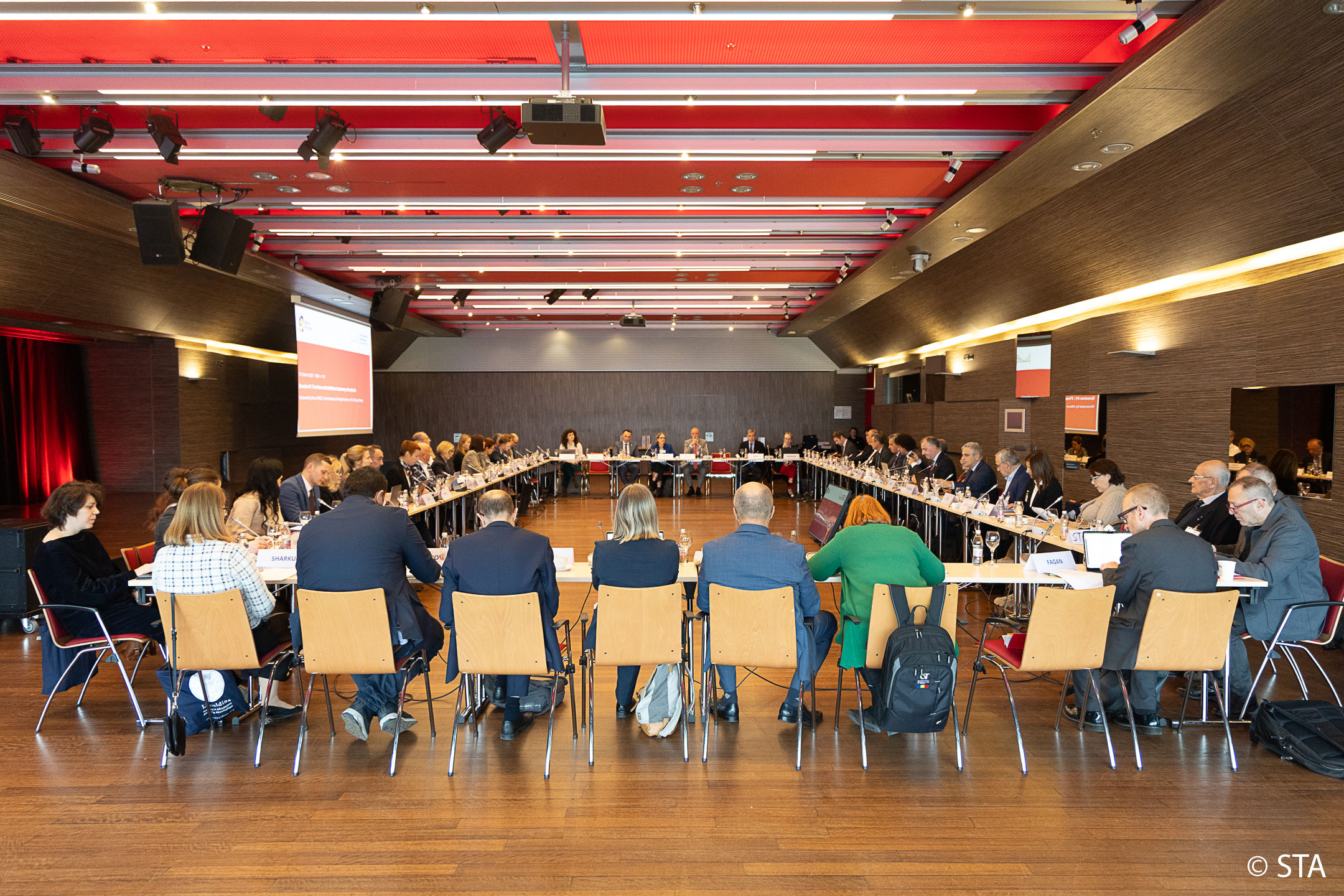
At the ninth edition of the Berlin Process Pillar Conference on Science, Education, Research, and Innovation, participants explored pathways and opportunities for the advancement of scientific research at a time when this fundamental human endeavor is facing significant pressures and challenges.
Leaders of higher education institutions and representatives of the academic and scientific communities from the EU, the Western Balkans, and the United Kingdom convened in Ljubljana, Slovenia. They discussed the autonomy of scientific and university institutions and the role of science in enhancing knowledge, well-being, and economic development in the Western Balkans.
The conference also addressed the impact of science and universities on the security of countries aspiring to join the European Union, at a time when security is being profoundly challenged by the war in Ukraine, other conflicts, and (leaning-) authoritarian regimes.
A significant debate during the conference was dedicated to the crucial assistance that science must provide to democracy and the rule of law in the Western Balkans and beyond, where these two vital elements of state and societal function are often endangered.
The University of Prishtina was represented at the conference by Rector Prof. Dr. Arben Hajrullahu, alongside the Professor of the Faculty of Law and former Rector, Prof. Dr. Qerim Qerimi. Participants from the Kosovo Academy of Sciences and Arts included Scientific Secretaries Prof. Dr. Muzafere Limani and Prof. Dr. Fetah Podvorica.
As part of the conference, the participants will once again issue a joint declaration. This document will incorporate the conclusions and recommendations from the relevant discussions for the upcoming summit within the Berlin Process framework.
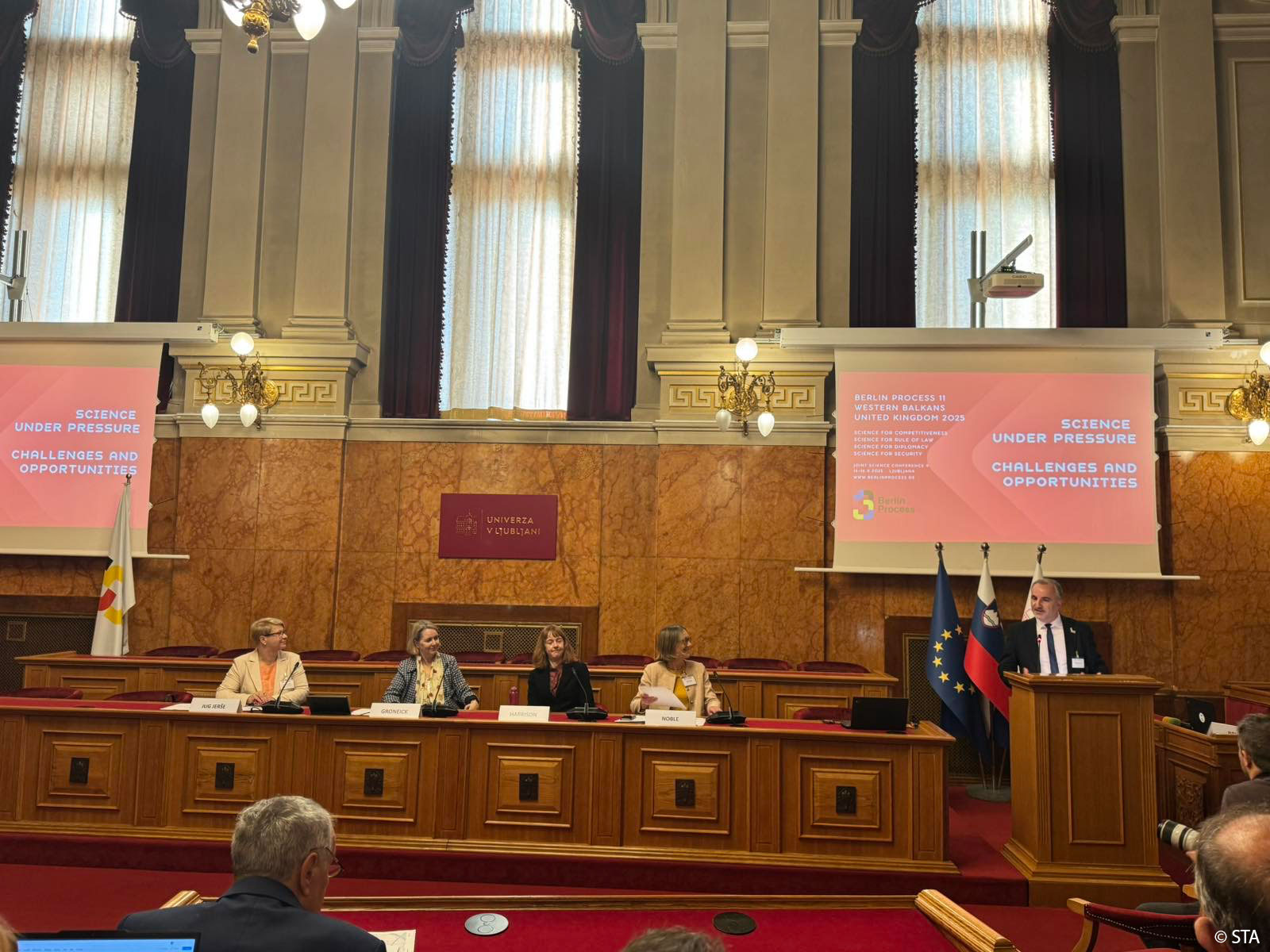
In the concluding session, moderated by a representative of the British academy (The Royal Society), Prof. Alison Noble, Rector Hajrullahu presented the key messages and recommendations of the conference to the Head of the European Commission Representation and the Ambassadors of the United Kingdom and Germany to Slovenia, Their Excellencies Jerneja Jug Jerše, Victoria Harrison, and Sylvia Groneick. He emphasized the need for:
- Sustainable and reasonable funding for universities as a prerequisite for academic freedom and autonomy;
- Strengthening shared democratic values in an era of confrontation with systematic disinformation and hybrid warfare;
- A more robust promotion of critical and rational thinking within universities and academic institutions; and
- The necessity for engaged intellectuals willing to challenge the harmful phenomena and practices that emerge within academic and public institutions, and in society at large.
Furthermore, Rector Hajrullahu concluded his presentation with a key message: in this time of great global challenges, "we in Europe, and especially in the part of Europe still outside the European Union, are too poor, small, and powerless to move forward unless we are united around our shared values of the rule of law and those democratic values based on good governance."
This time, the United Kingdom will host the leaders of the Western Balkans at the Berlin Process Summit on October 22, 2025.
Rector Hajrullahu also participated last year in the Berlin Process Pillar Conference on Science, Education, Research, and Innovation, which was held under the motto "Courage for the Future." On that occasion, he also addressed the deputies of the Committee on Education, Research, and Technology Assessment of the German Bundestag.
Gallery